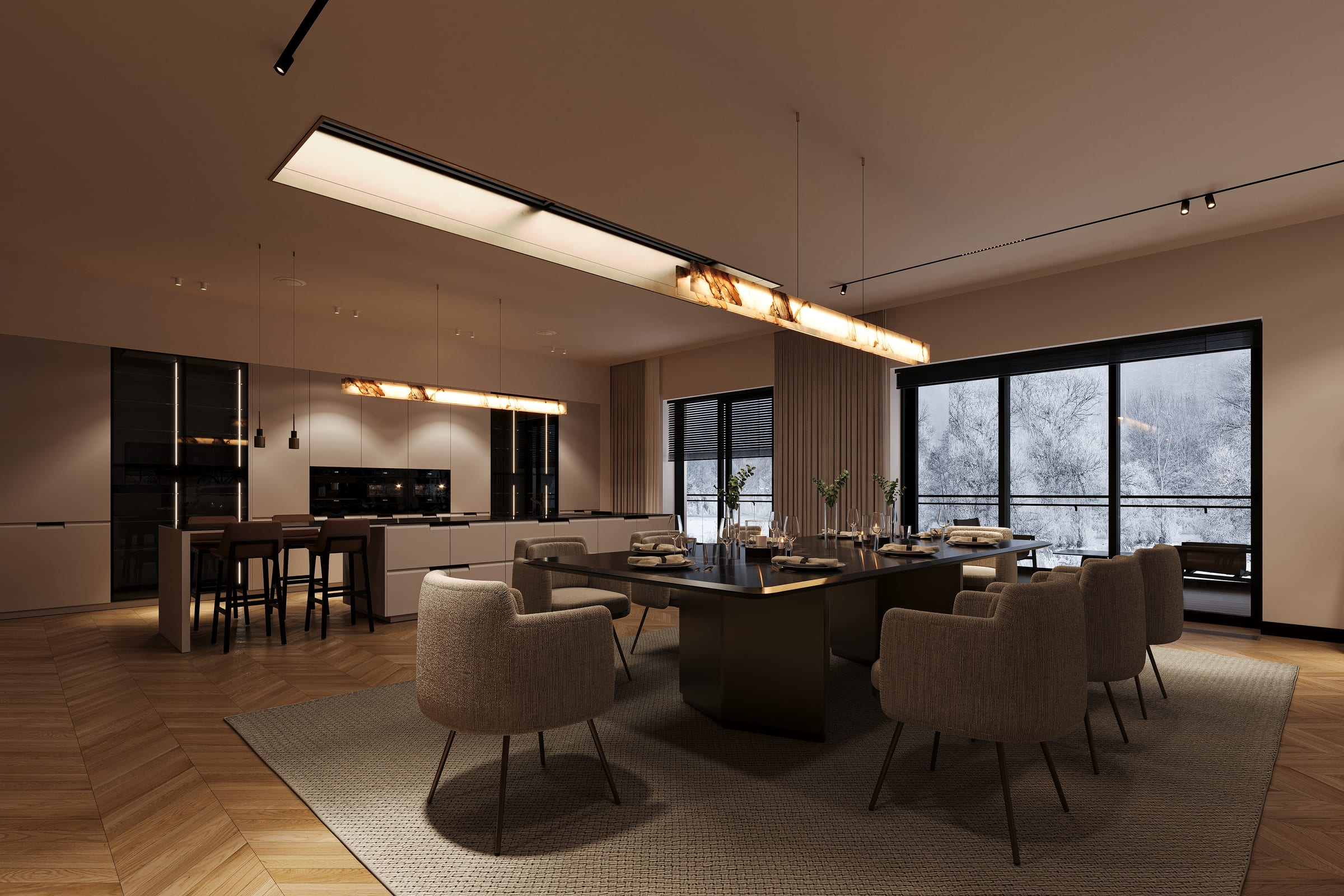
- 02Foreword
- 03Interview
- 04SaySanaa Projects
- 05Perspective
- 06Essay
- 07Artify
Foreword
Luxury is not something to display. It is a culture felt through the ordering of space, the deliberate choice of material, the interplay of light and shadow.
The first issue of ARTIFY begins with a single question: how does interior space shift from "ornament" to "culture"?
In this issue — a private residence, an interview, a window onto the wider world, and an essay — each tells that one theme from a different angle.
Interview
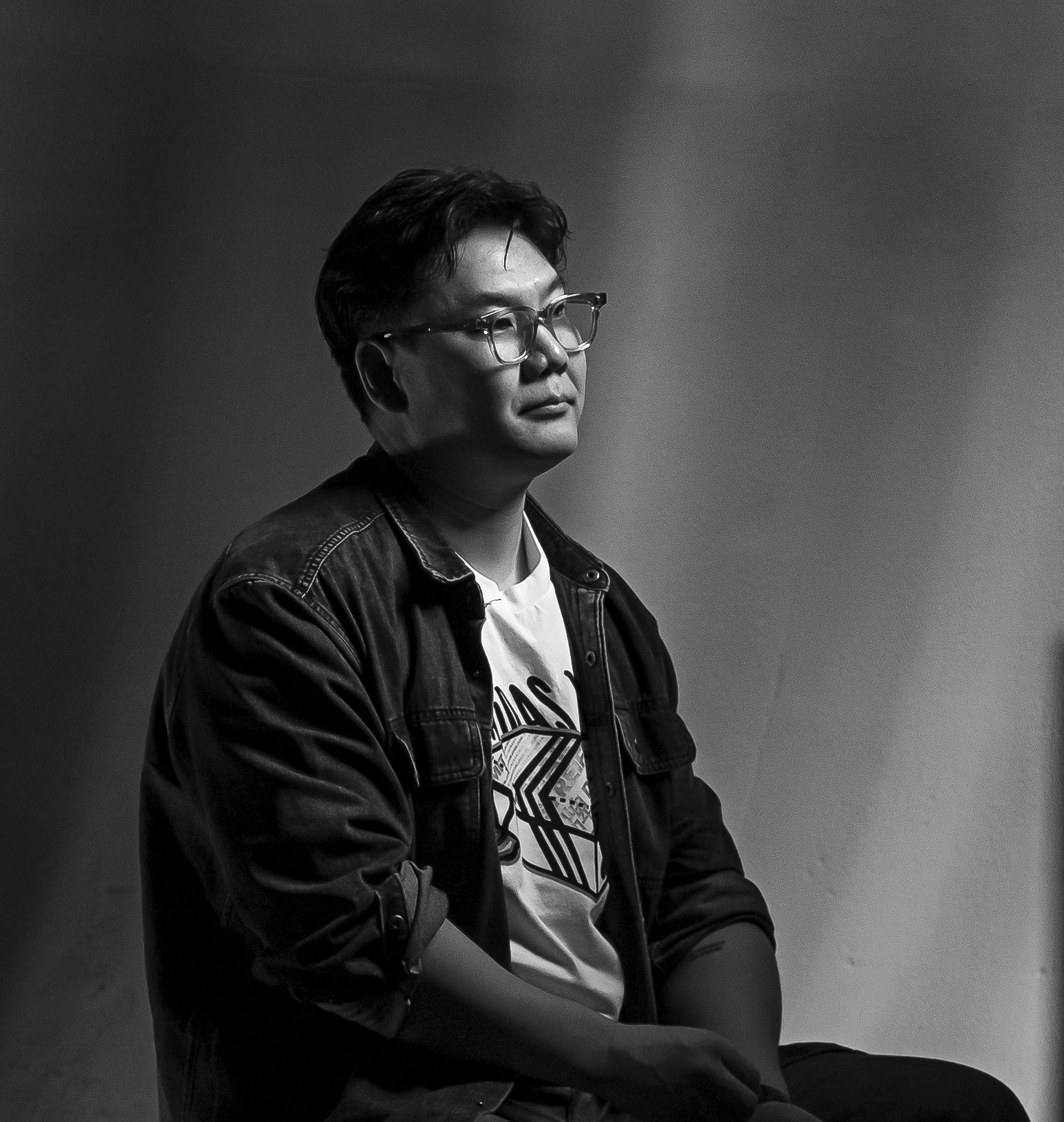
Kh. Odbayar
For the first issue of ARTIFY we spoke with Kh. Odbayar — founder of SaySanaa and interior designer — about mental simulation, the act of modelling a space in the mind before it exists, and the machinery of professional thinking.
An ordinary person looks at a room and calls it "nice" or "not nice." What sets a professional designer apart?
A professional designer looks at a space and immediately senses why it reads the way it does, and why something does not work. This is not mere feeling. After years of working on real projects with space, light, material and proportion — accumulating mistakes, corrections and experience — a designer's mind begins to process a room differently.
What is this called in psychology?
It is visual–spatial intelligence. Where some people simply see a space, a designer reads it structurally — composition, proportion, balance and rhythm are decoded in the mind automatically.
So does "intuition" really exist?
Years of practice develop pattern recognition in the mind. Experience-grounded knowledge tells you which colours clash, which materials work together, which space will evoke which feeling. So certain decisions may look like "intuition" from the outside, yet in reality this is professional intuition — the sum of years of observation, experience and knowledge. Not an amateur's guess.
Explain what you mean by "mental simulation."
A crucial skill of the professional designer is not merely to see a space but to foresee what it could become. It means modelling a future space in the mind — seeing the light, material, proportion, human movement and atmosphere in real terms before they ever physically exist.
Beyond design, where else does this way of thinking serve you?
It becomes a major advantage in business. The most important business skill is not to look at present conditions and stop there, but to see which possibilities might open up. Only those who sense a little earlier where the market, the customer and value are shifting create new opportunities and solutions.
A professional designer sees not the space that is, but the space that ought to be.
SaySanaa Projects
Calm. Centred. Built to last.
From ornament to culture — a 420 m² private residence grounded not in visible luxury but in the ordering of space, in material, and in light.
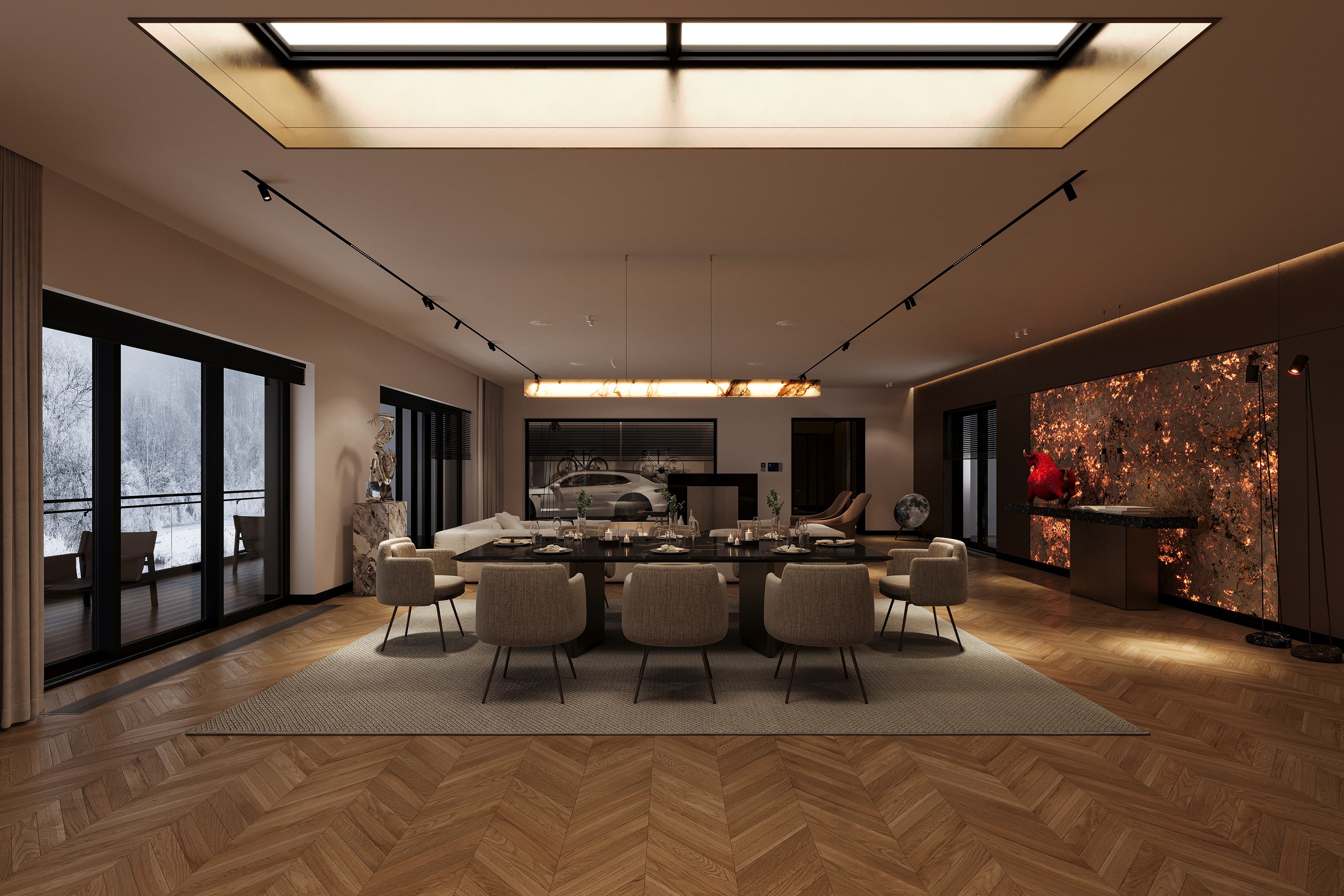
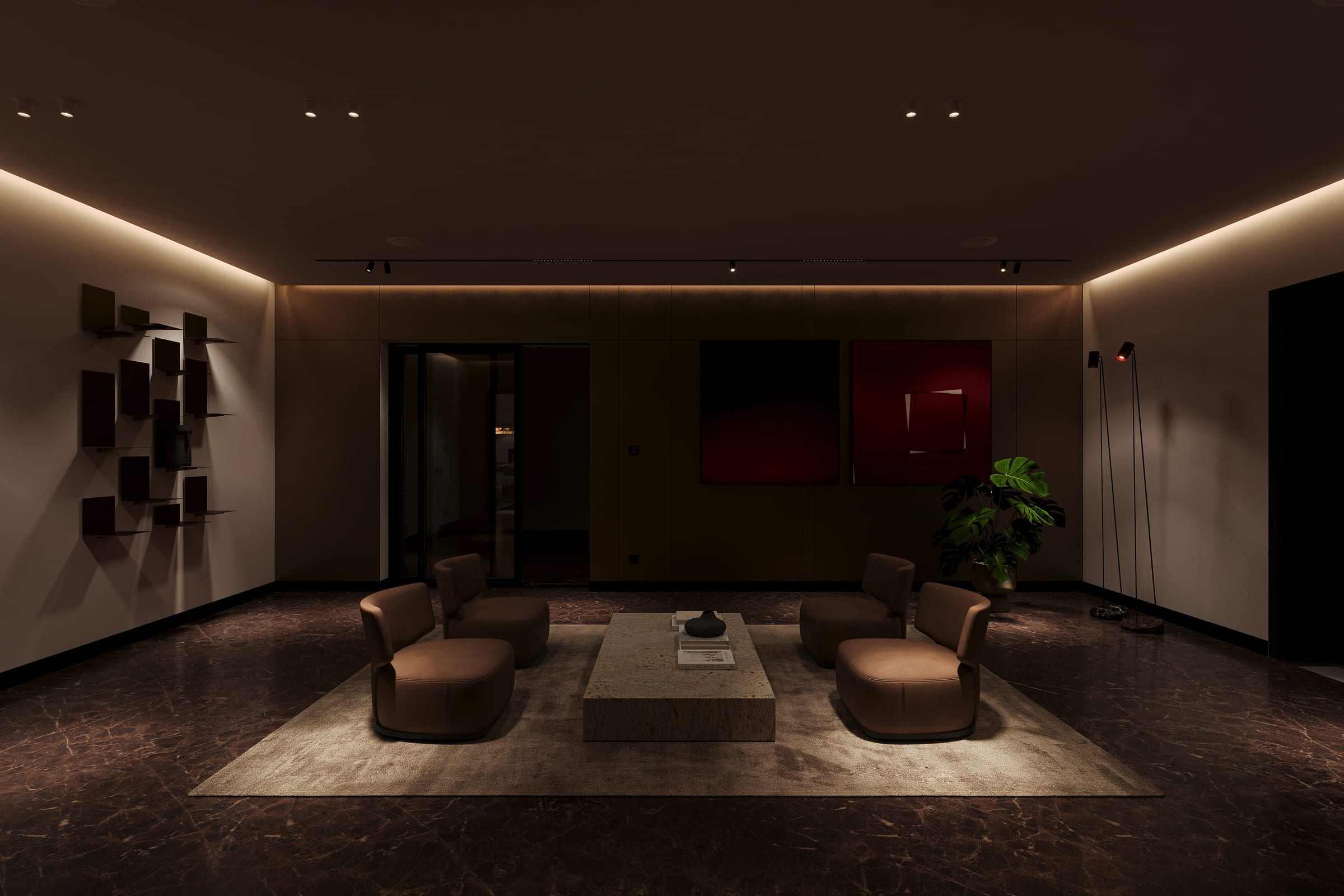
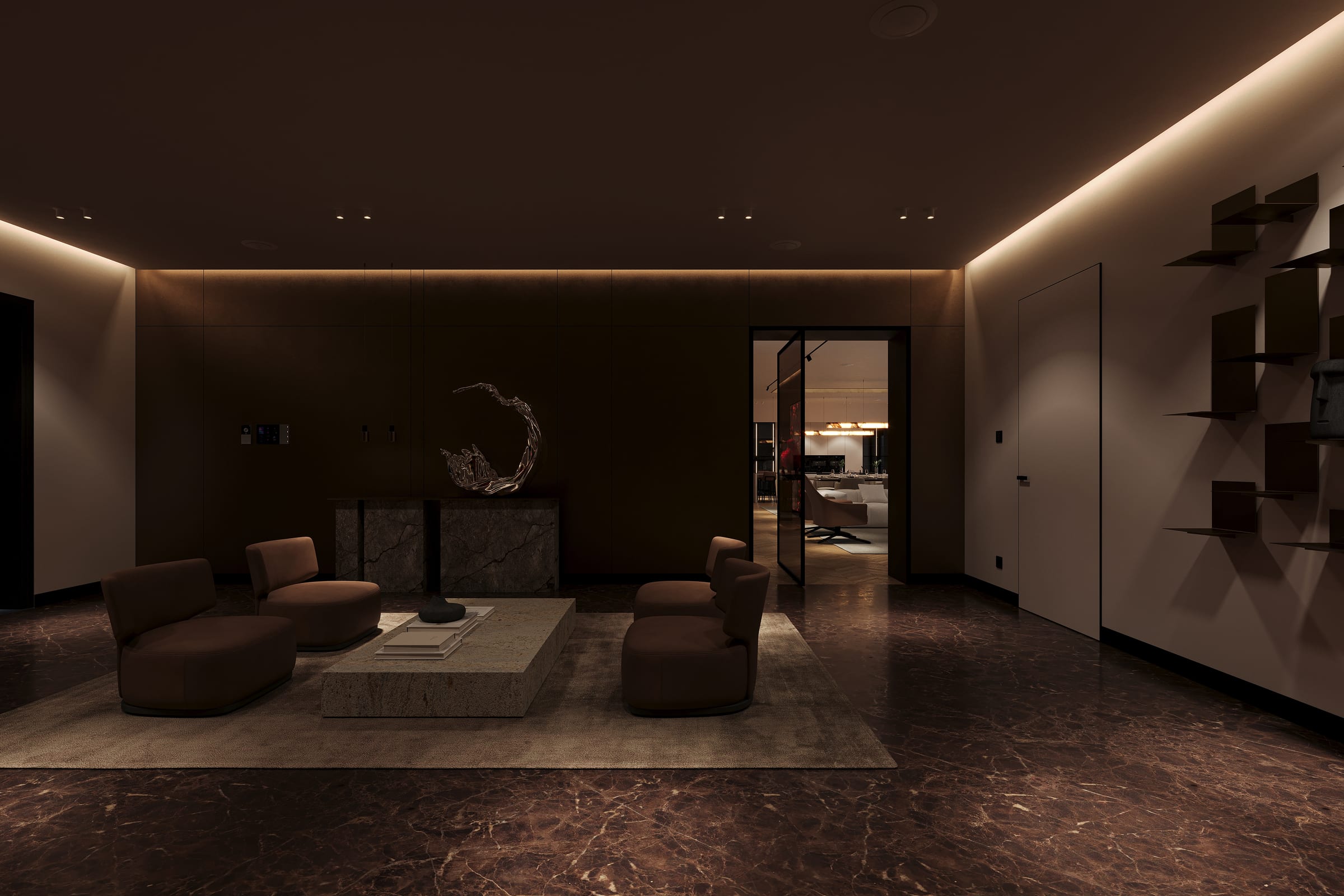
Private Residence
The plan rests on a clean, symmetrical logic. Geometry without excess form, holding to standard proportion.
Shared and private zones flow together, yet keep clear boundaries.
Light as part of the structure
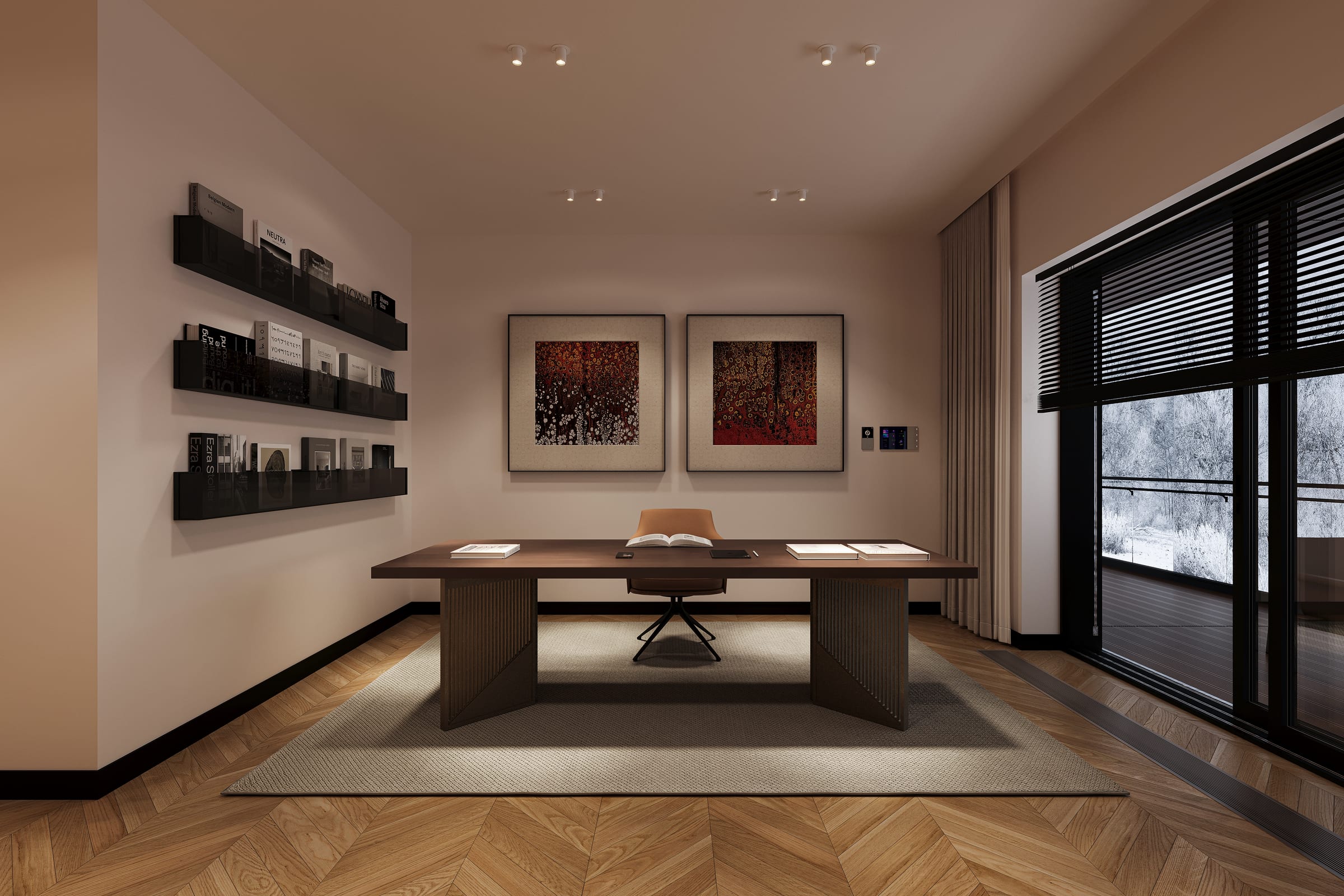
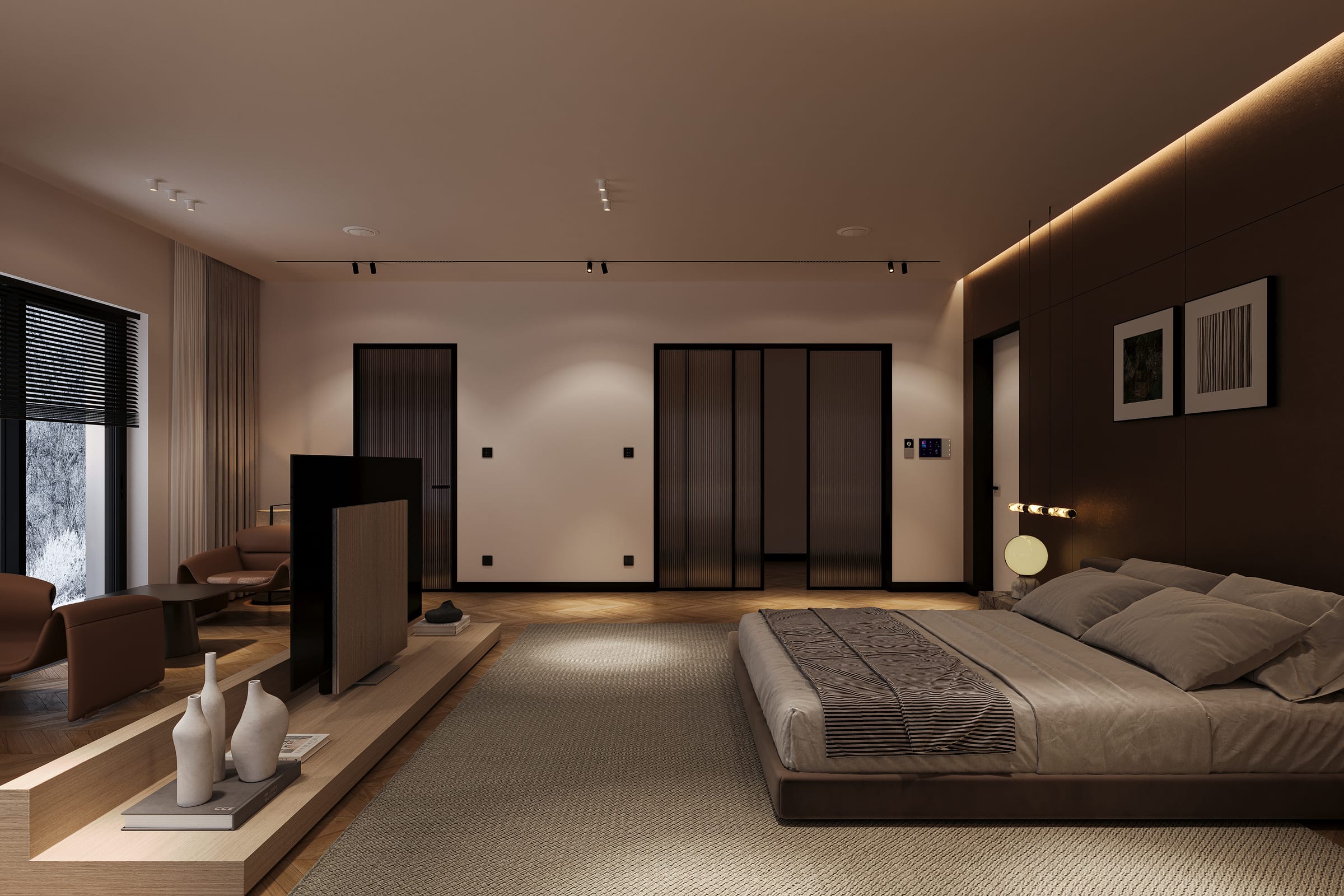
Lighting is resolved as part of the spatial structure. Depth of shadow, zones of warm tone and soft transitions compose a steady atmosphere.
Panoramic glazing and skylights draw natural light deep into the interior.
Surfaces you can feel
A restrained palette: natural stone, oak veneer, deep-toned metal.
Every surface is not only seen — it is meant to be felt.
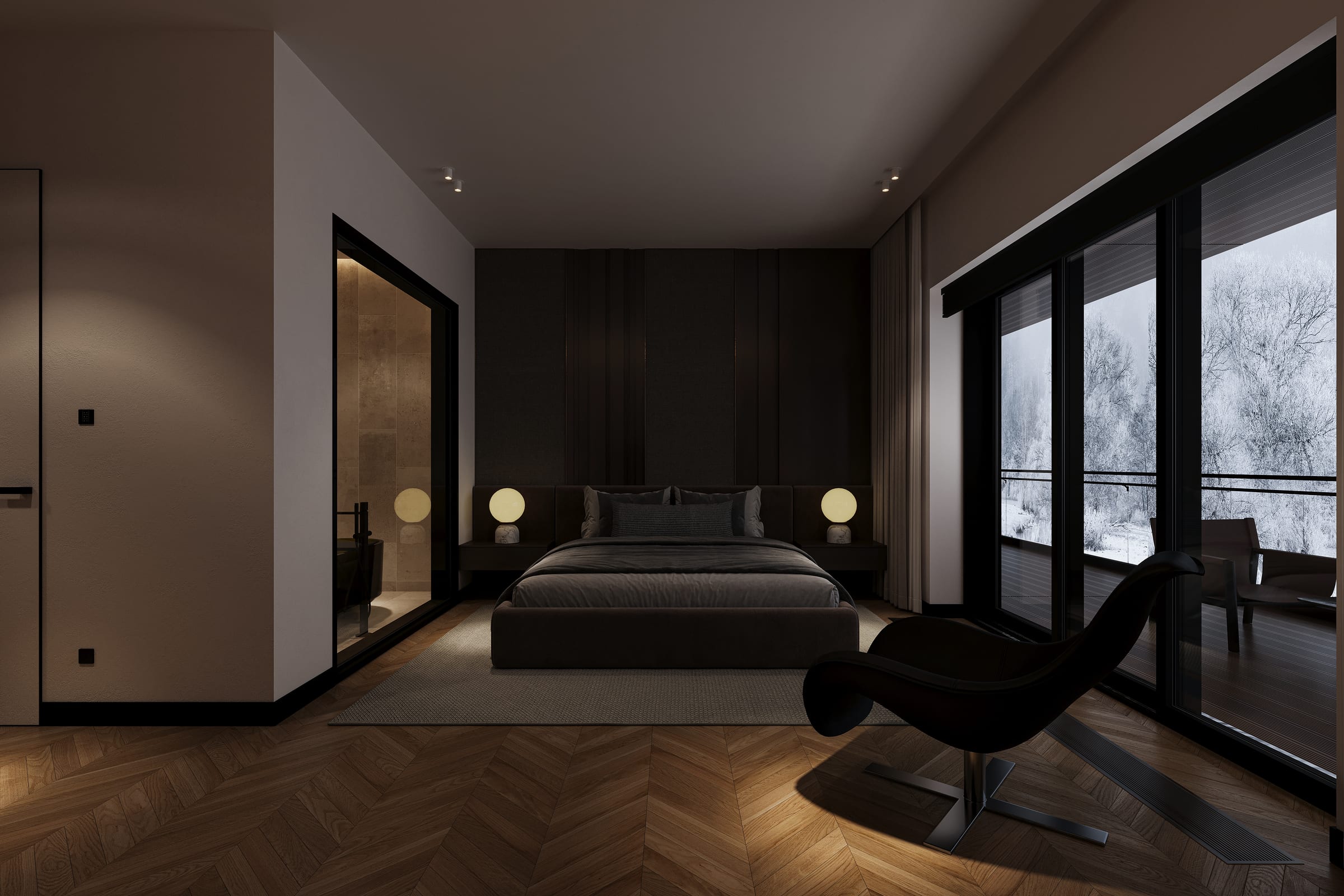
Not to display, but to live
This space composes a sense of being centred and protected. The interior atmosphere is calm and steady.
The artworks placed at the centre are spare yet generate a soulful, powerful expression.
Perspective
"Space should not only be seen, it should be experienced."
— Rossana Hu, Founding Partner, Neri&Hu
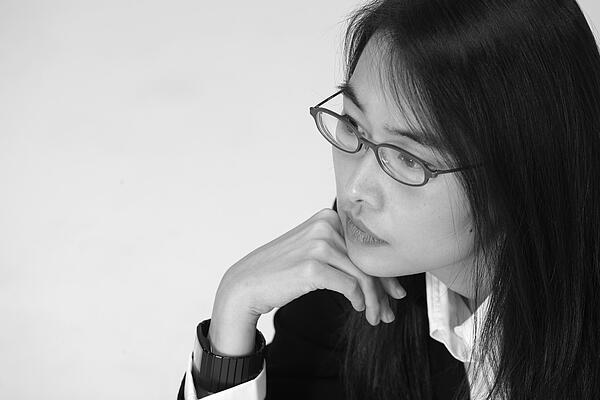
Rossana Hu
One of Asia's most influential designers, she treats architecture, interiors, product design and research as a single, unified body of thinking.
In 2004 she founded Neri&Hu with Lyndon Neri, binding contemporary architecture to the history, culture and everyday life of place. FRAME Lifetime Achievement Award · 2021.
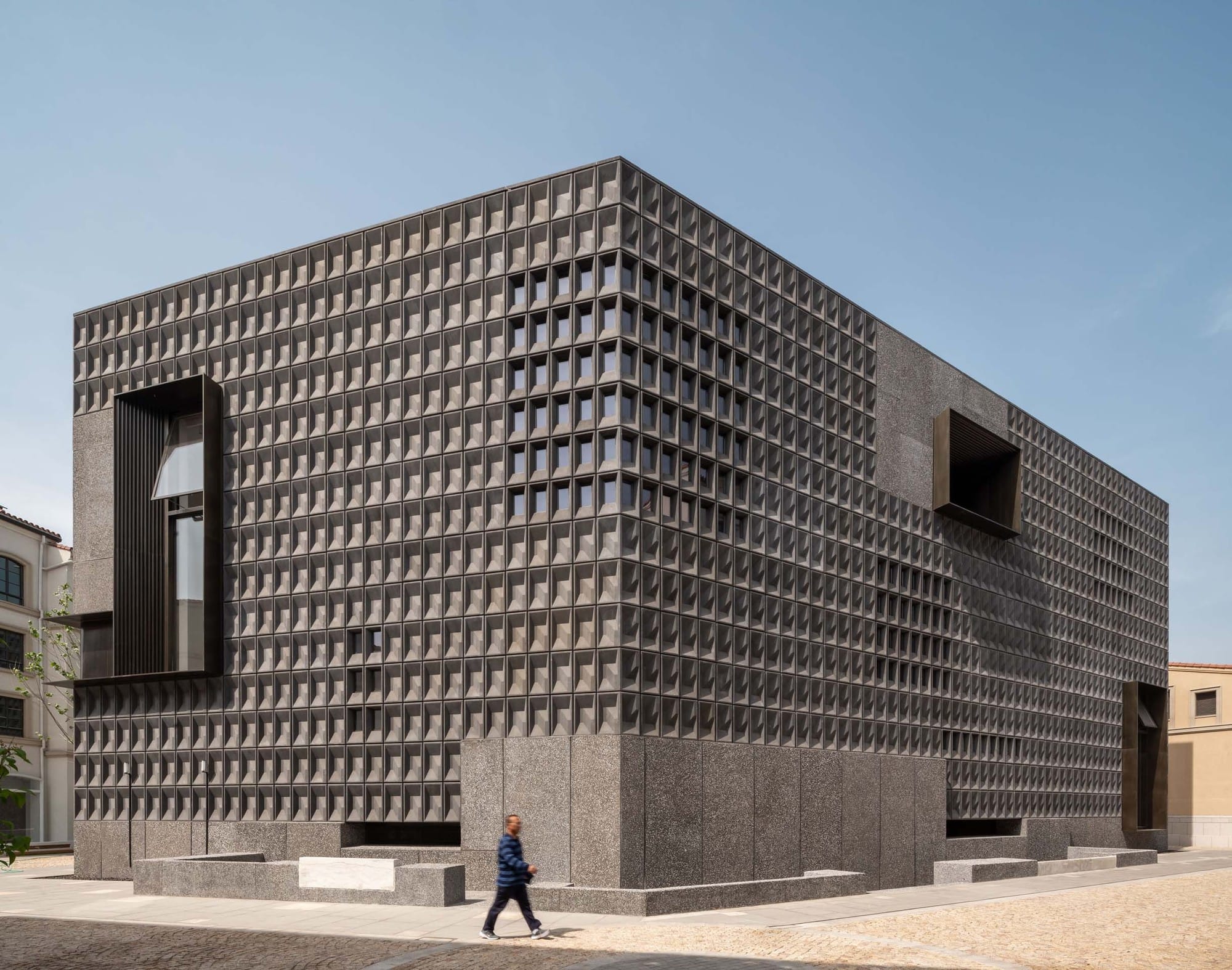
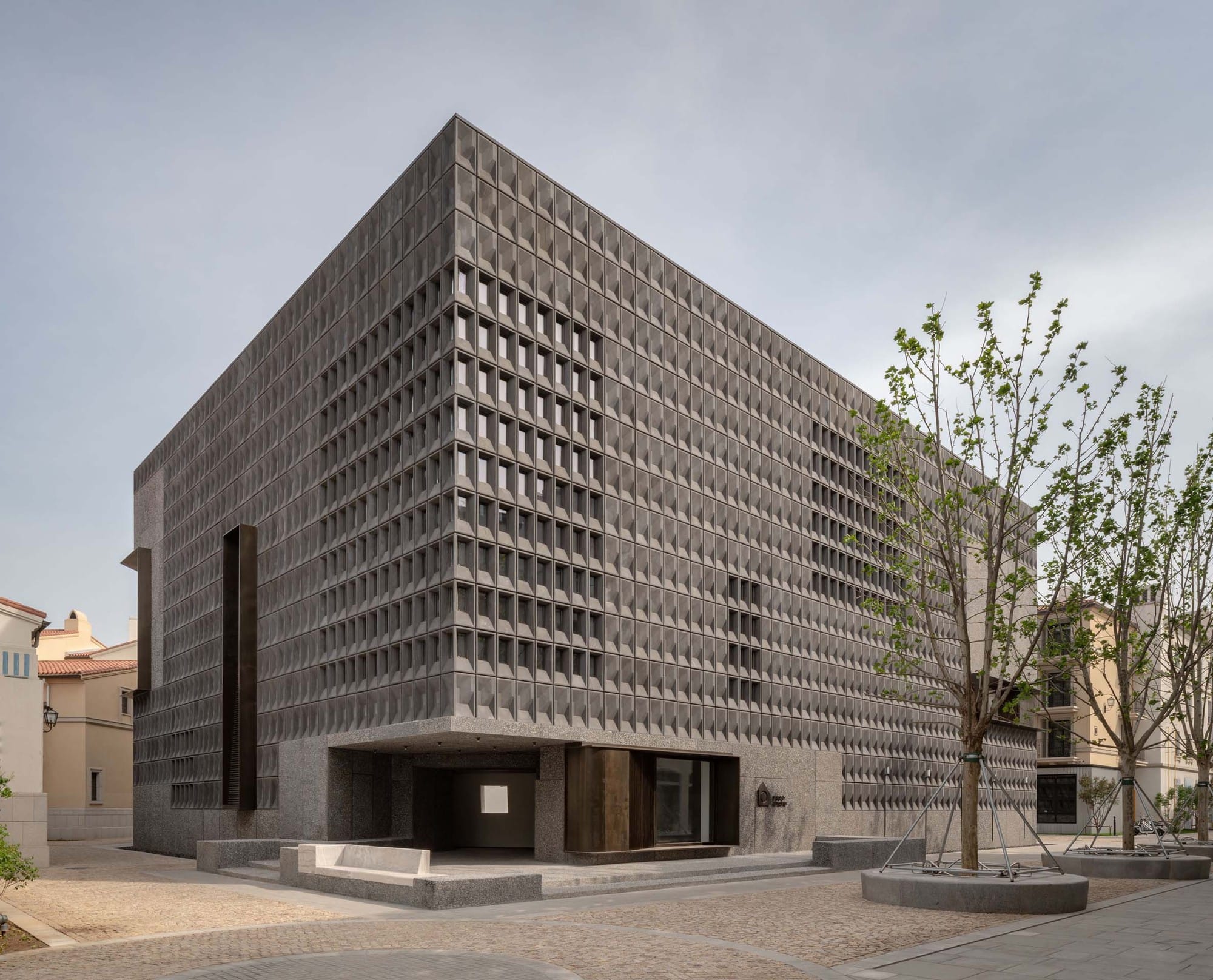
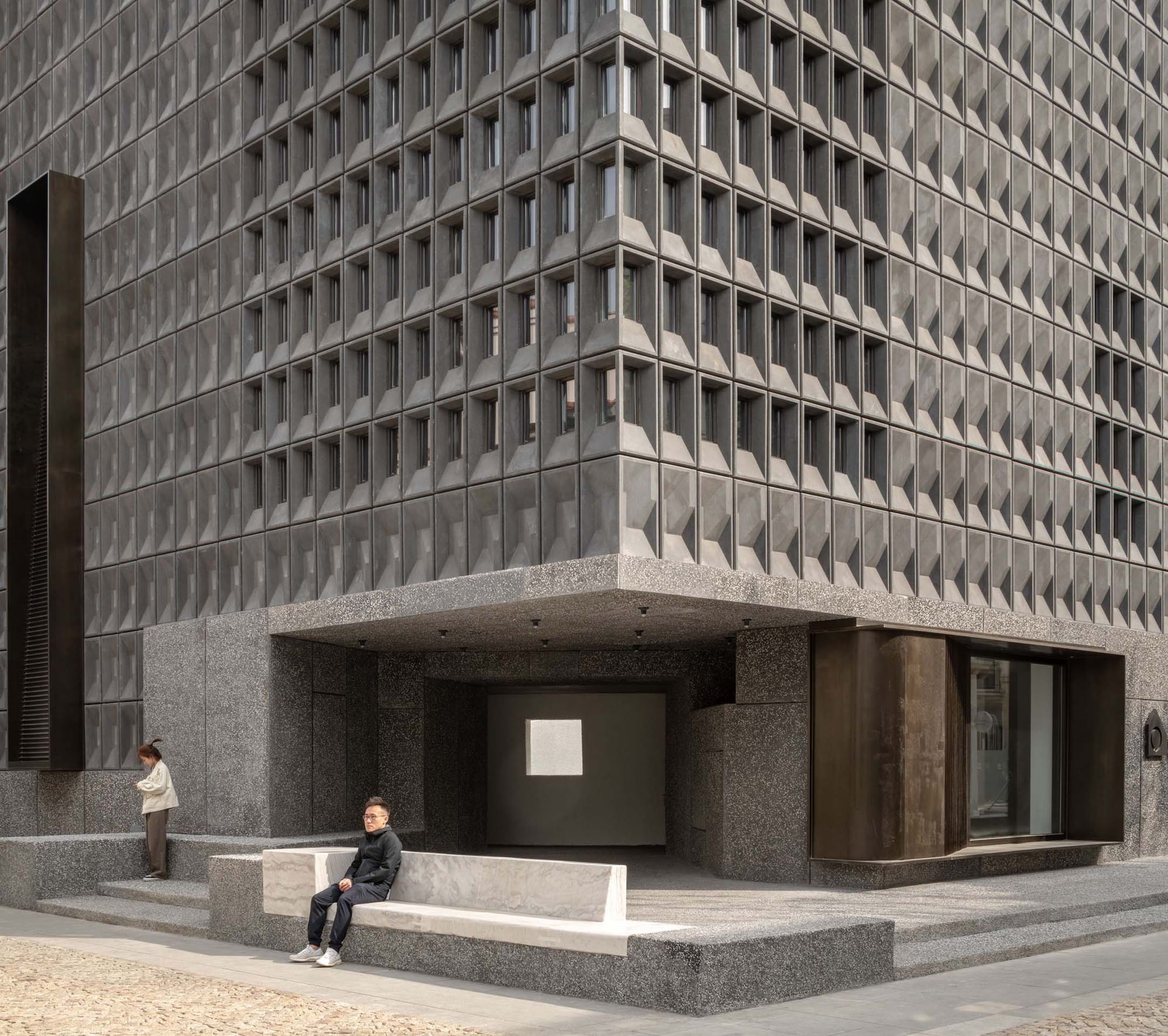
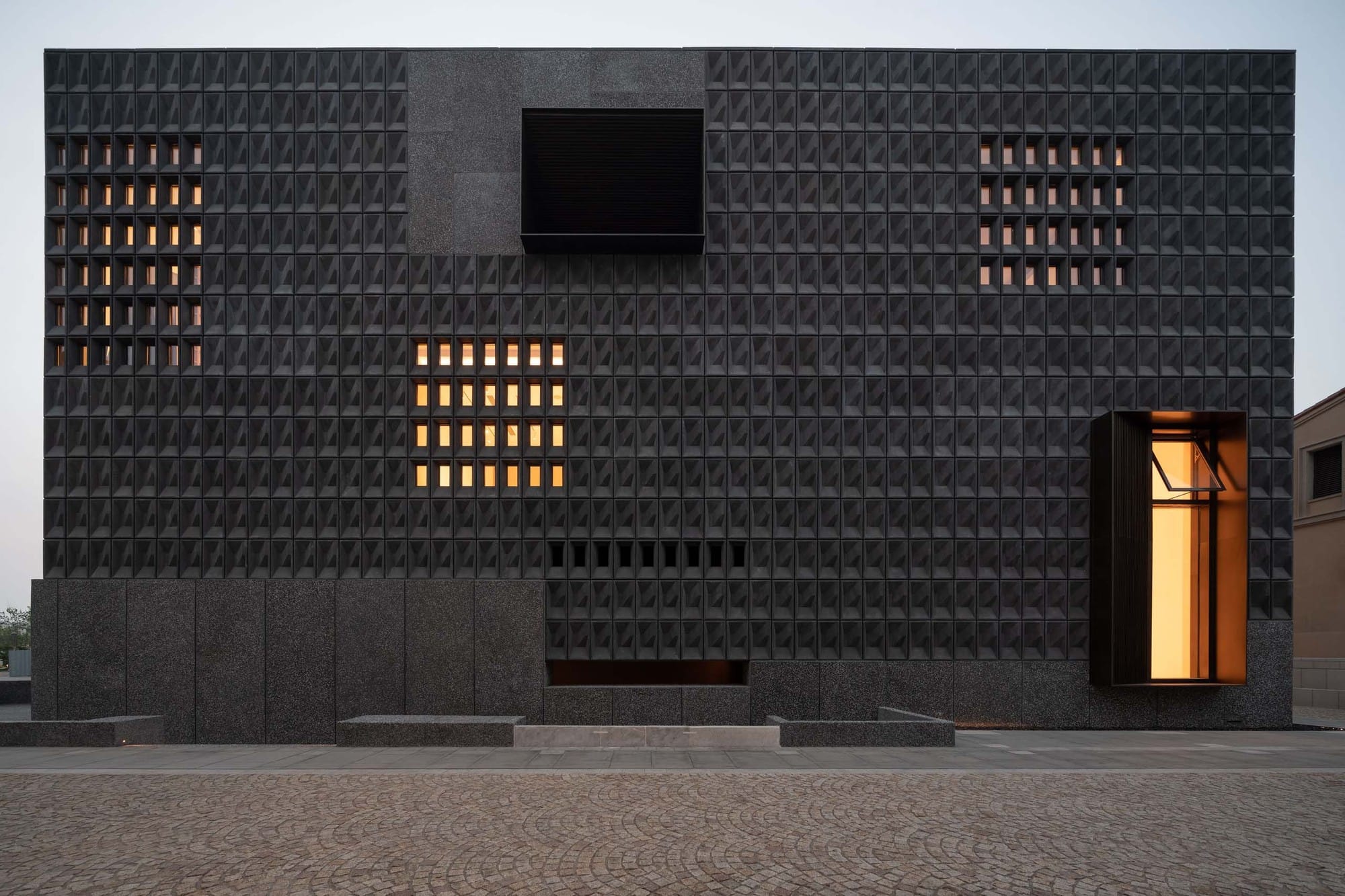
Aranya Art Center
Qinhuangdao, China · 2019 · Neri&Hu Design and Research Office
This art centre unites theatre, gallery and public gathering space, becoming an example of architecture that guides human movement and feeling through the plain language of concrete, light and curved geometry.
Natural light enters through a large circular oculus at its core, continually reshaping the spatial experience.
For you, what is design?
"Design is not only the making of form. It is the process of understanding how people perceive a space and how they live within it."
Why does material hold such a central place in your projects?
"Material itself holds a story. Used well, it can bind the memory, the time and the culture of a place to contemporary architecture."
Where do you think contemporary interior design is heading?
"The question of what to remove is becoming more important than that of adding more. A quiet space can hold a person for far longer."
What would you advise young designers?
"You cannot create international design without understanding your own culture and your own surroundings."
What strikes you first in Rossana Hu's work is not form but the feeling of space. Her architecture is calm and unexaggerated, yet leaves a powerful impression.
This approach — binding material, light and movement into one system — aligns with ARTIFY's "quiet luxury" editorial philosophy.
Essay
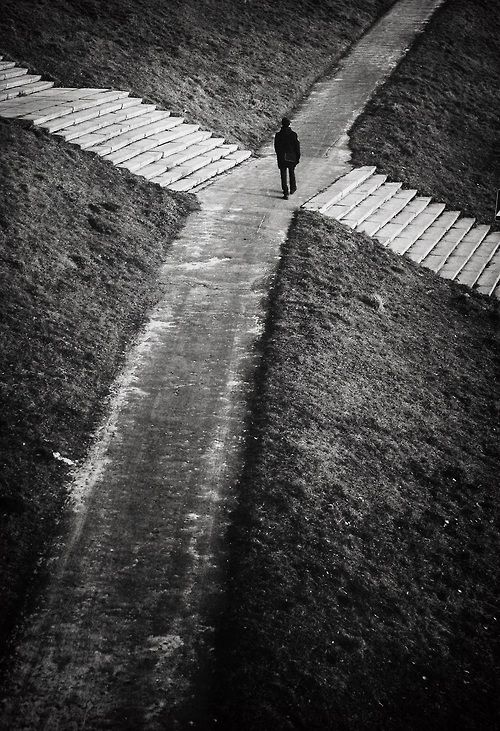
At the crossroads
A designer who only draws the client's wish remains someone working to fit the order.
A designer who begins to steer the client toward the right solution begins, in the true sense, to enter the professional level.
The client's wish is only information
How to respond to it is the designer's professional answer.
There is a common belief in interior design: that if the designer draws exactly what the client wants, the work counts as well done. From the outside it does not seem wrong, yet at a professional level this is the most elementary part of a designer's work.
The ability to fulfil a client's wish is indispensable. On its own, though, it does not express professional standing — anyone can draw what a client asks for. At that point the designer's position and responsibility have not yet entered the picture.
Most designers follow the client. They fear making mistakes; they fear losing the commission. "But this is what you wanted" becomes the easiest shield. This is simply human nature. Yet it is precisely here that the designer's path forks in two.
If a client wants a solution that does not fit their life, that breaks the logic of the space, that will cause problems down the line — what should the designer do? Explain and offer an alternative, or simply draw it and say "this is what you asked for"? That choice reveals the designer's calibre.
A client can propose the wrong solution. That is normal — they are not a designer. The designer's role is to measure that wish against real use, logic and the future. So the client's wish is only information. To read that information carefully, to refine it, to change it when necessary — that is the designer's professional response.
A designer is not an executor but a guide. If the client already had all the right answers, no designer would be needed — just as a patient does not tell the doctor which medicine to prescribe. A profession is the capacity to find solutions.
Following the client's wish may feel safe in the moment. But the uncomfortable space, the illogical plan, the question of "why was it done this way" — all of it returns to the designer. At that point "you yourself wanted this" offers no escape from responsibility.
Interior design is not about producing a beautiful drawing. It is the space of a human life. How a person lives, works and rests in that environment is shaped by a single decision of the designer.
So a designer who only draws the client's wish remains someone working to fit the order. A designer who begins to steer the client toward the right solution begins, in the true sense, to enter the professional level.
Artify
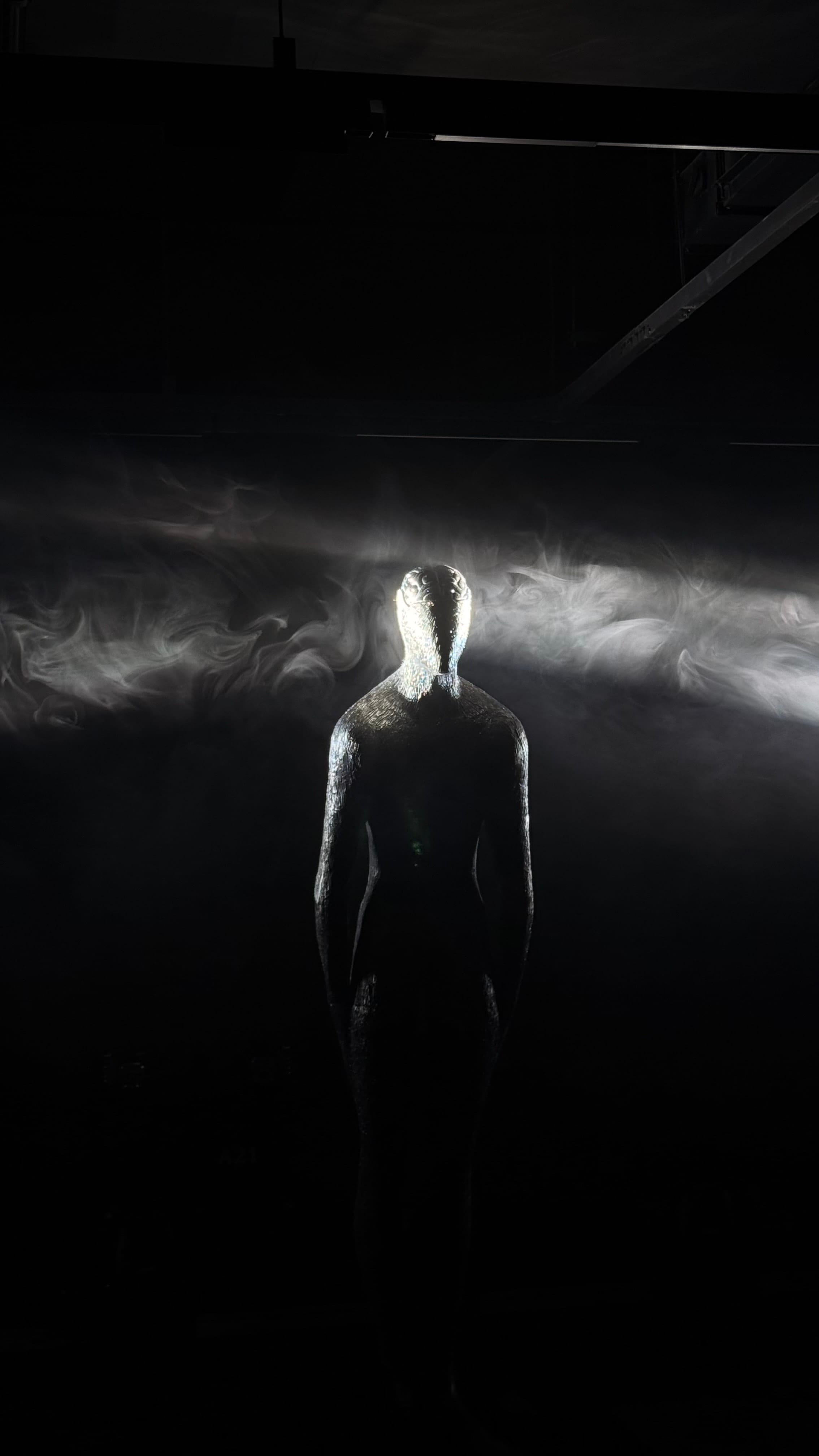
SaySanaa — Ukhamsar (Consciousness)
A sculpture standing at the intersection of philosophy and psychology. A faceless, nameless figure — it confronts the viewer not to be recognised, but with a space to absorb oneself into.
The body, leaning faintly forward, is not weakness — it expresses attention turned inward, a gathering of focus.
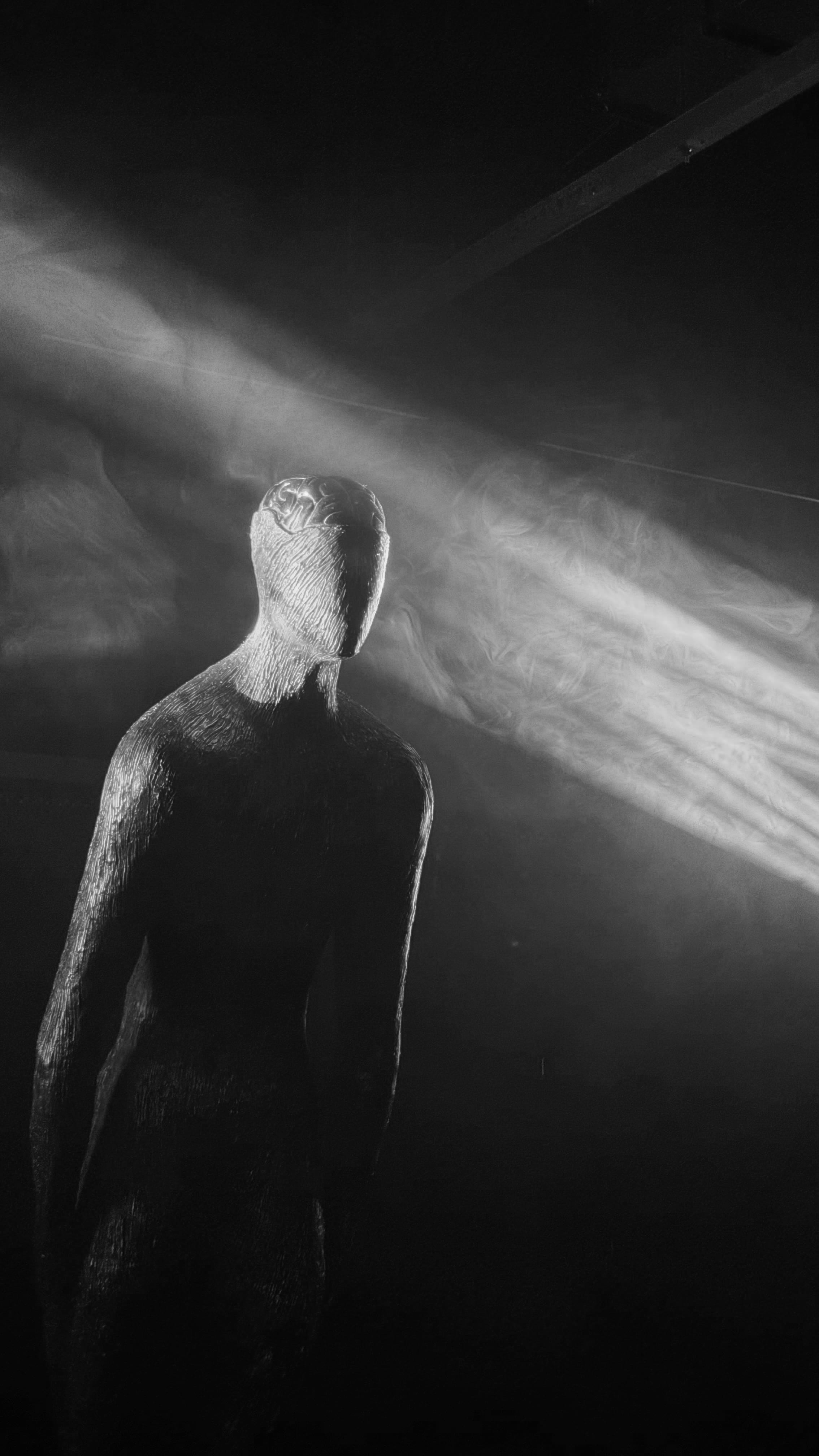
A work made to meet consciousness, not space
A continuation of the idea behind the "Ukhamsar" sculpture standing before the UN headquarters in New York — a quiet call, regardless of geography, toward a collective consciousness and the future of humankind.
Stainless steel (Grade 304), 280 kg, 2.2 m. Unveiled in May 2025 for SaySanaa's 10th anniversary.
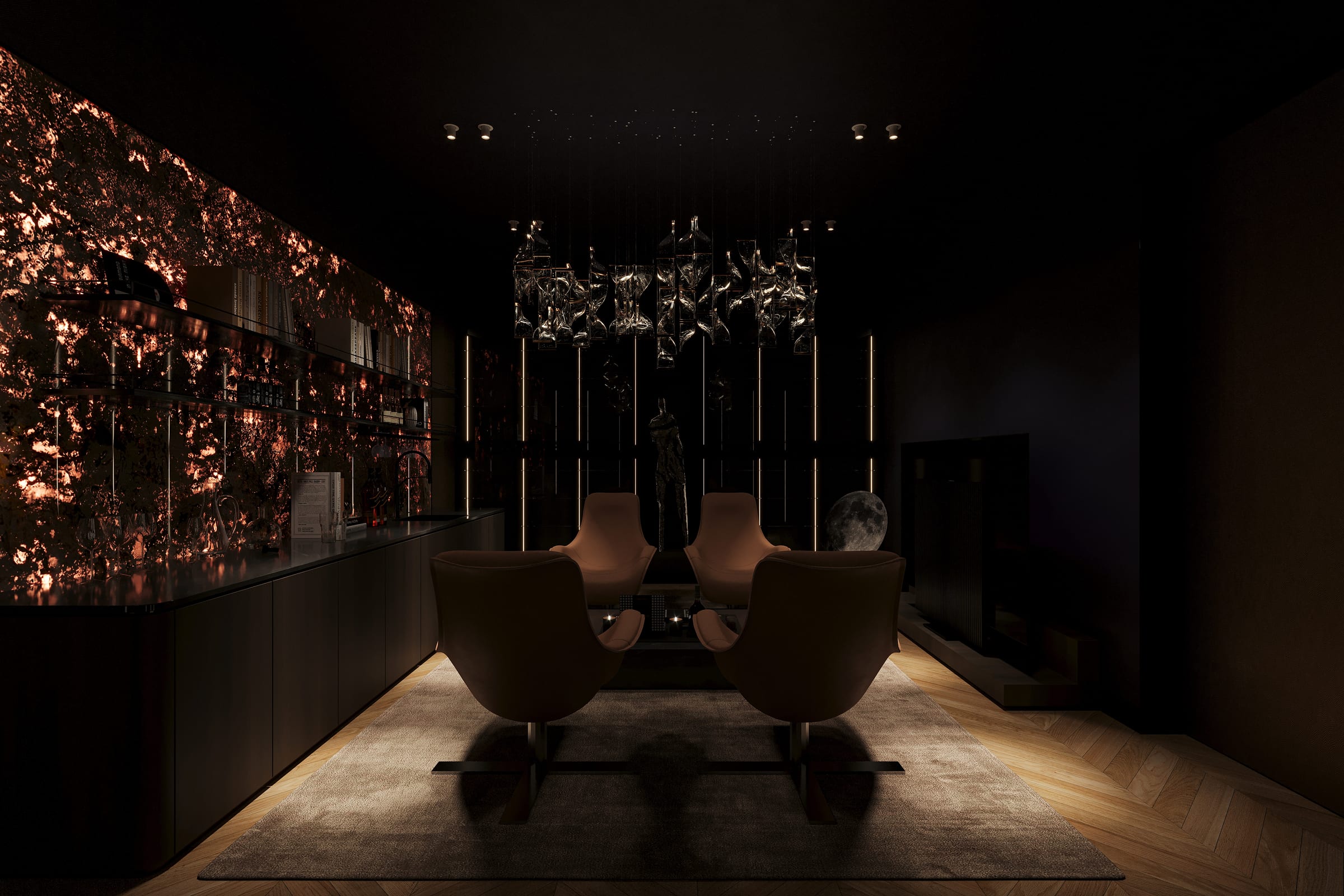
A professional designer sees not the space that is, but the space that ought to be.
ARTIFY