
ARTIFY Issue 03 — Execution and discipline
- 02Foreword
- 03Interview
- 04SaySanaa Projects
- 05Perspective
- 06Essay
- 07Artify
Foreword
How does execution become reliable?
In the third issue we talk about execution. Finishing work is not just about materials and workers — it is about holding a standard. How that standard is held shows up in the result.
Interview

N. Javkhlan
"In fit-out there are no small things. Everything shows in the end."
Chief Engineer at SaySanaa Construction LLC.
He has worked in construction and interior fit-out for many years, leading the execution management of dozens of office, commercial and residential projects.
He understands work not only as a technical matter but in connection with human behaviour and organisational culture. He believes that "an engineer is not just someone who calculates — they are someone who creates an environment."
How did you come to choose engineering?
My family environment had a lot to do with it. My father worked in construction — watching him, I wanted to understand what he was adding, what he was removing, and why he was making the decisions he made. That curiosity is what brought me into the field.
What makes fit-out work different from other work?
It comes after the building is finished and does everything that is visible. That is precisely why the responsibility is doubled. However good the design may be, if the execution is poor, it does not matter — fit-out is the last thing the user sees. Understanding that order is why the interest never fades.
What does discipline mean to you?
It lives in the smallest things on the job site. Arriving at the agreed time, holding the set standard, and redoing something if it comes out wrong. A person who can do those things consistently is a disciplined person. Doing something once is easy — doing it every time, always, is the challenge.
How do you understand self-belief?
A difficult question. Self-belief is not arrogance. It is holding onto the conviction that you can do this work, that even when an unexpected problem arises, you can find a solution. That conviction comes from experience on the job. Each project you complete makes the next one feel a little closer.
What do you look for when building an engineering team?
Skill matters, of course. But more than that, I look at attitude. Can a person acknowledge their mistake and correct it? Someone who conceals their errors is the most dangerous person on a team — what they hide shows up later on the project.
Holding your standard is not a one-time decision — it is a daily attitude.
SaySanaa Projects
A home is one person's entire world.
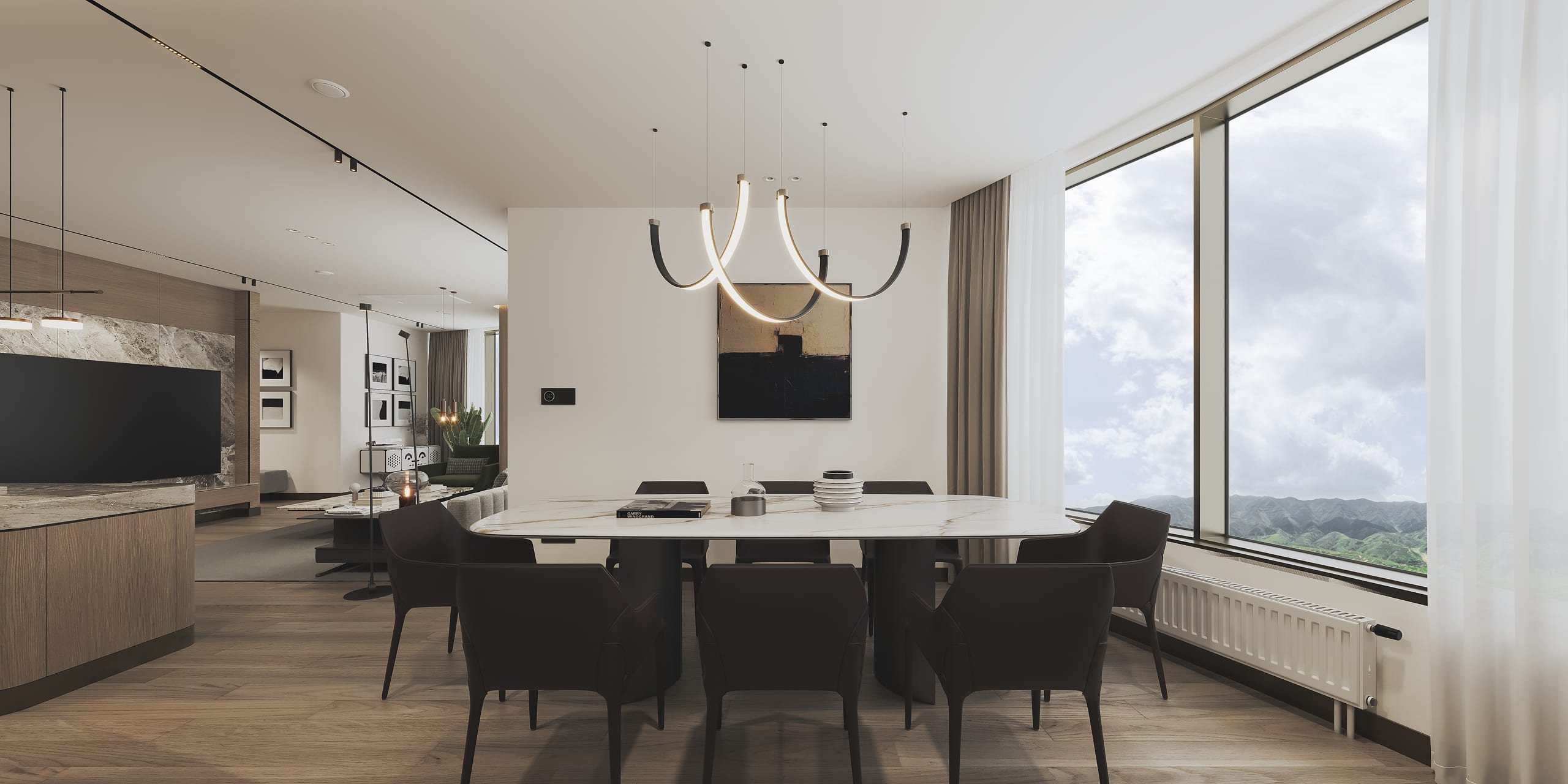
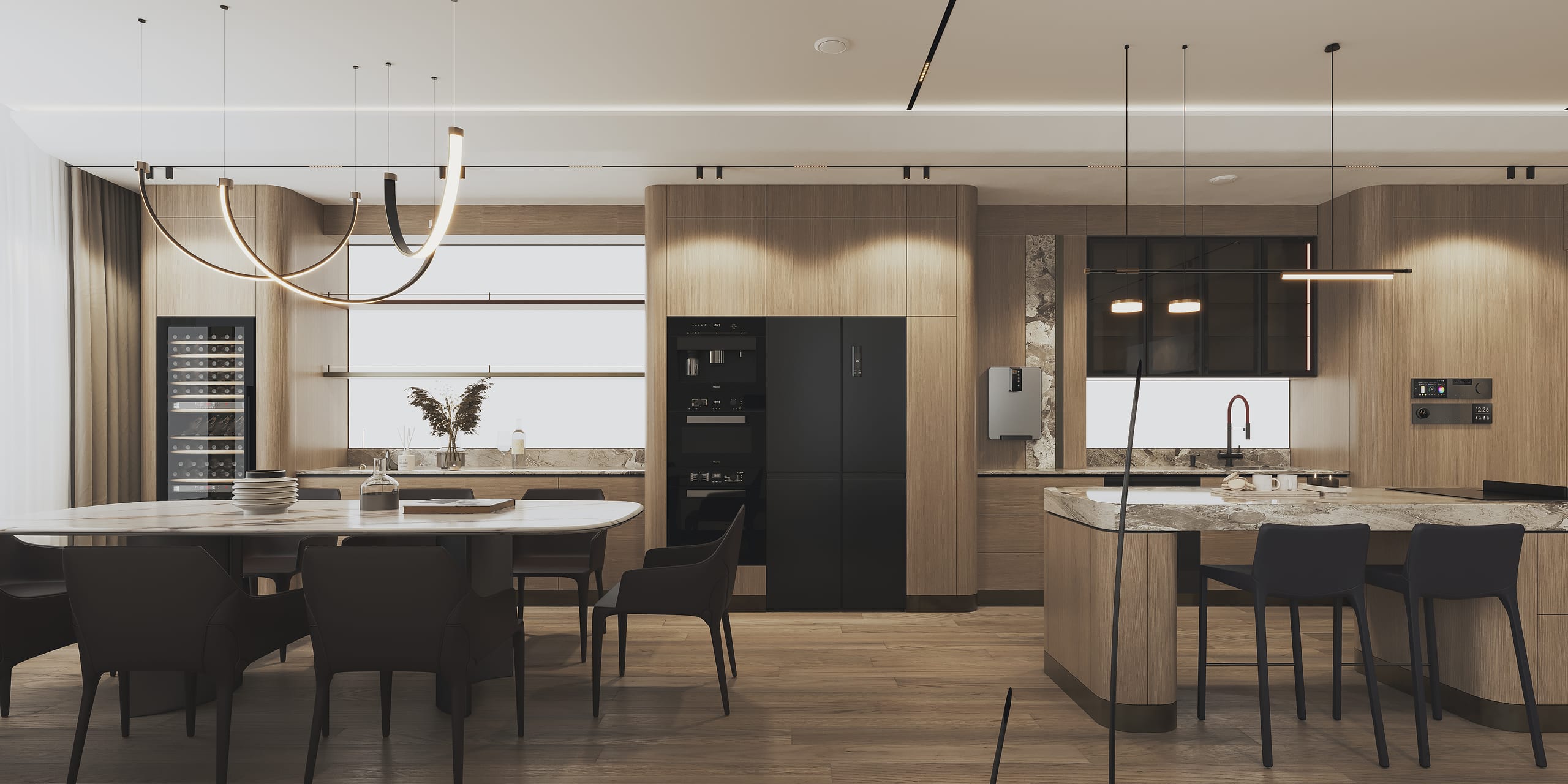
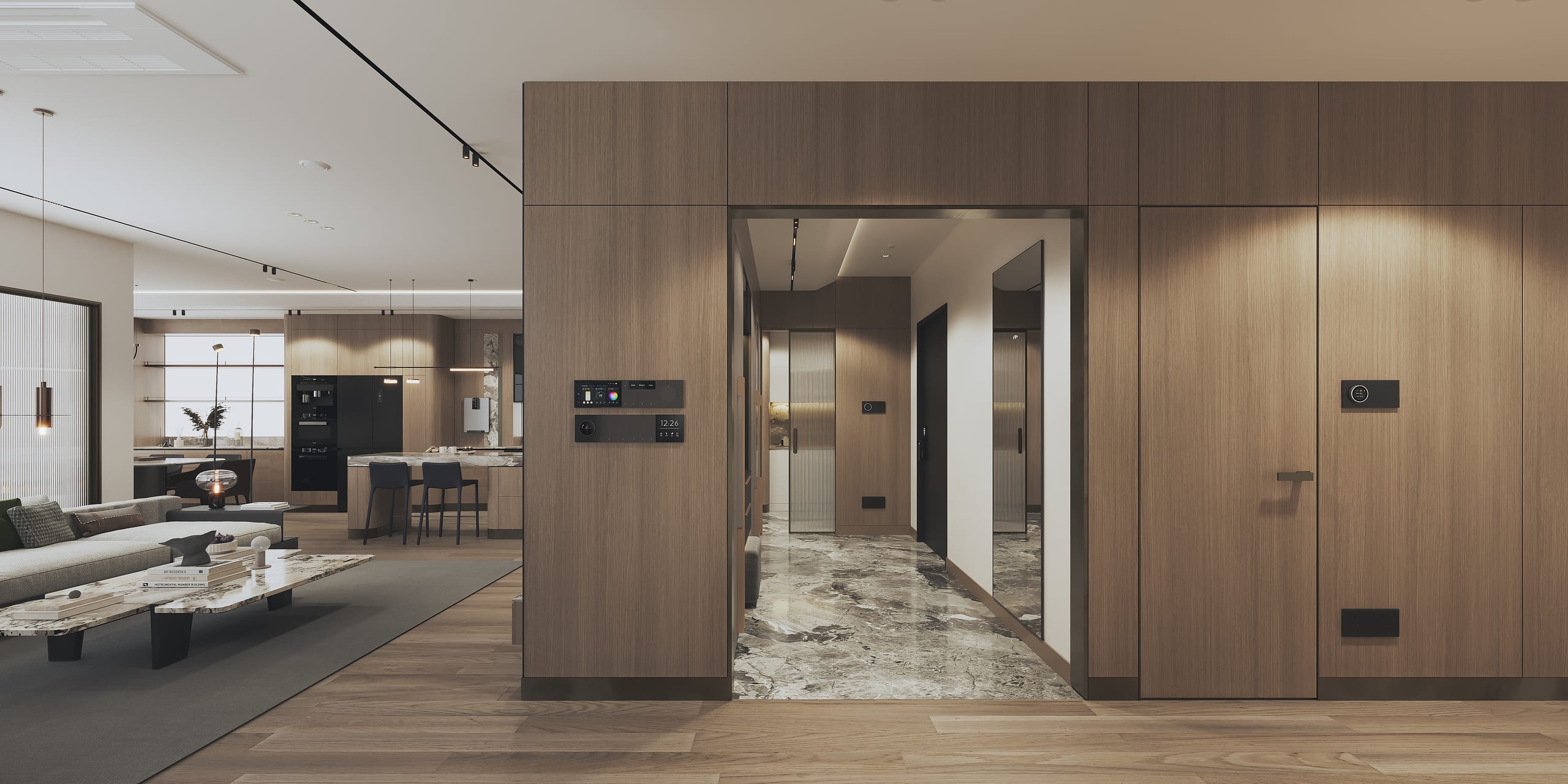
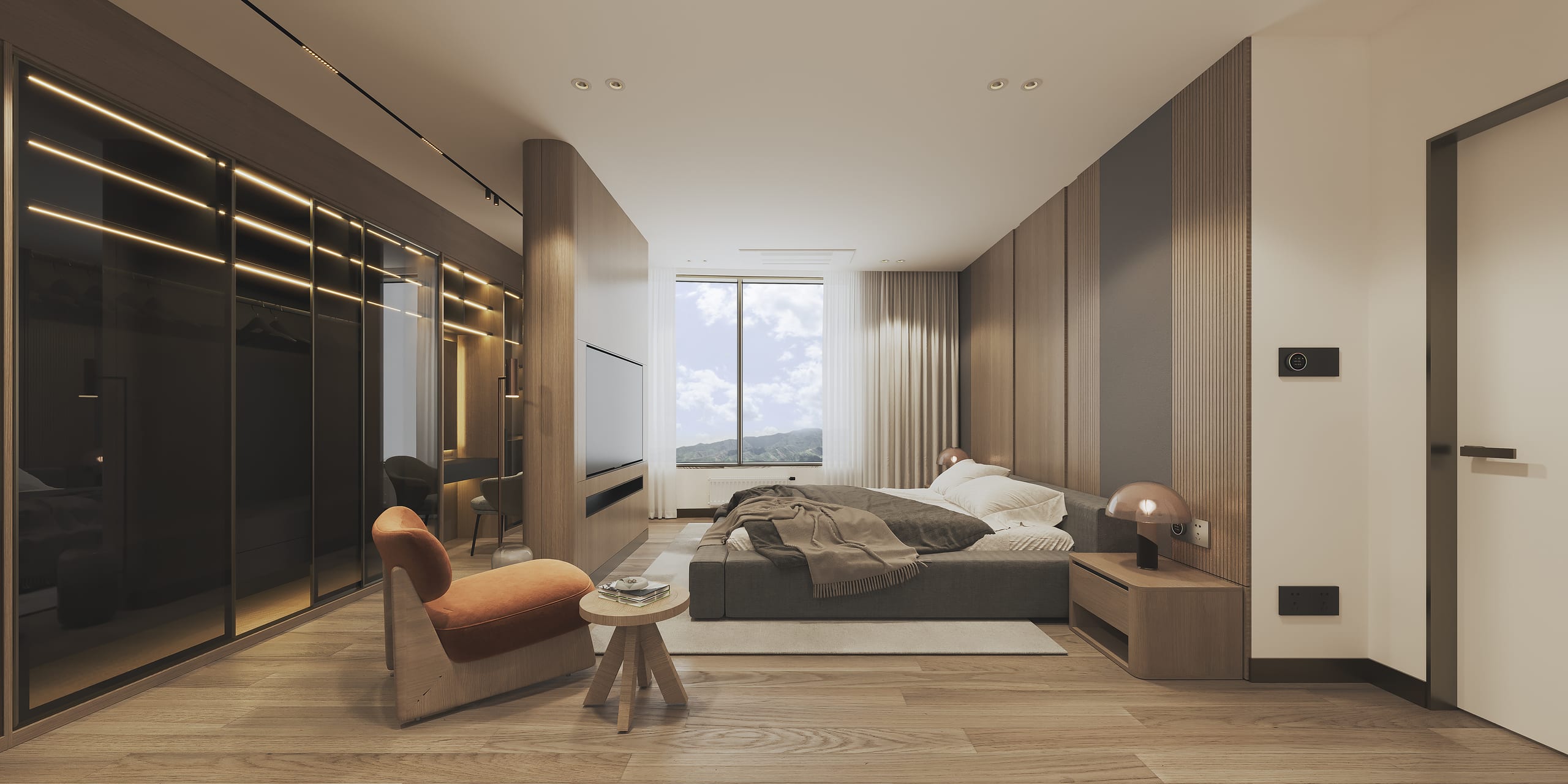
The clients at Sky Park Apartment knew how they wanted to live. Once we listened to them, the script began to write itself — where the light enters, who sits where, how the space shifts between morning and evening.
147 square metres. The question was never about area — it was about what a person needs.
Light and Movement
Where the morning sun enters, where the evening light settles — these two questions were the starting point of the design. Natural light is an element that works better than anything you can draw.
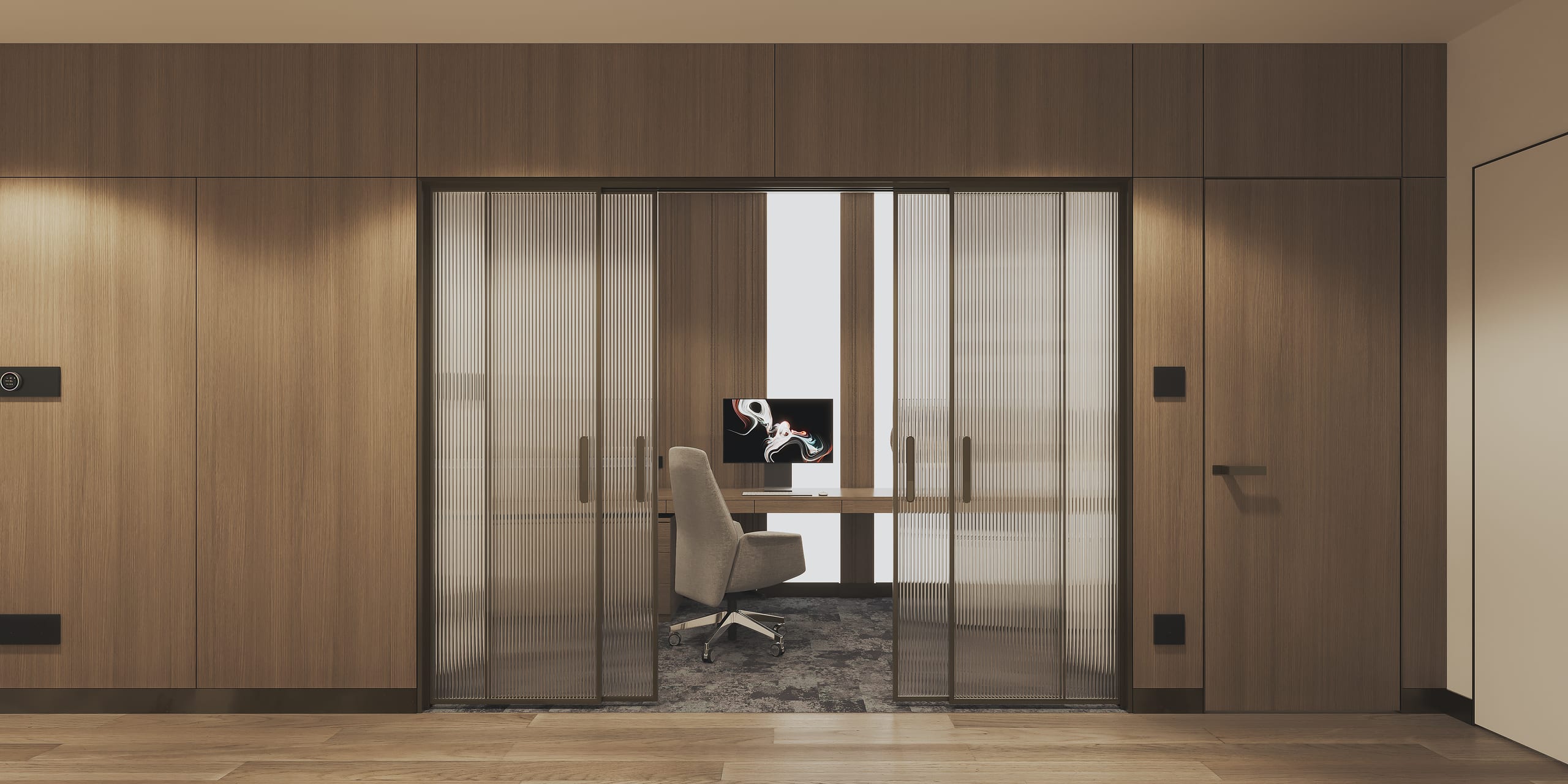
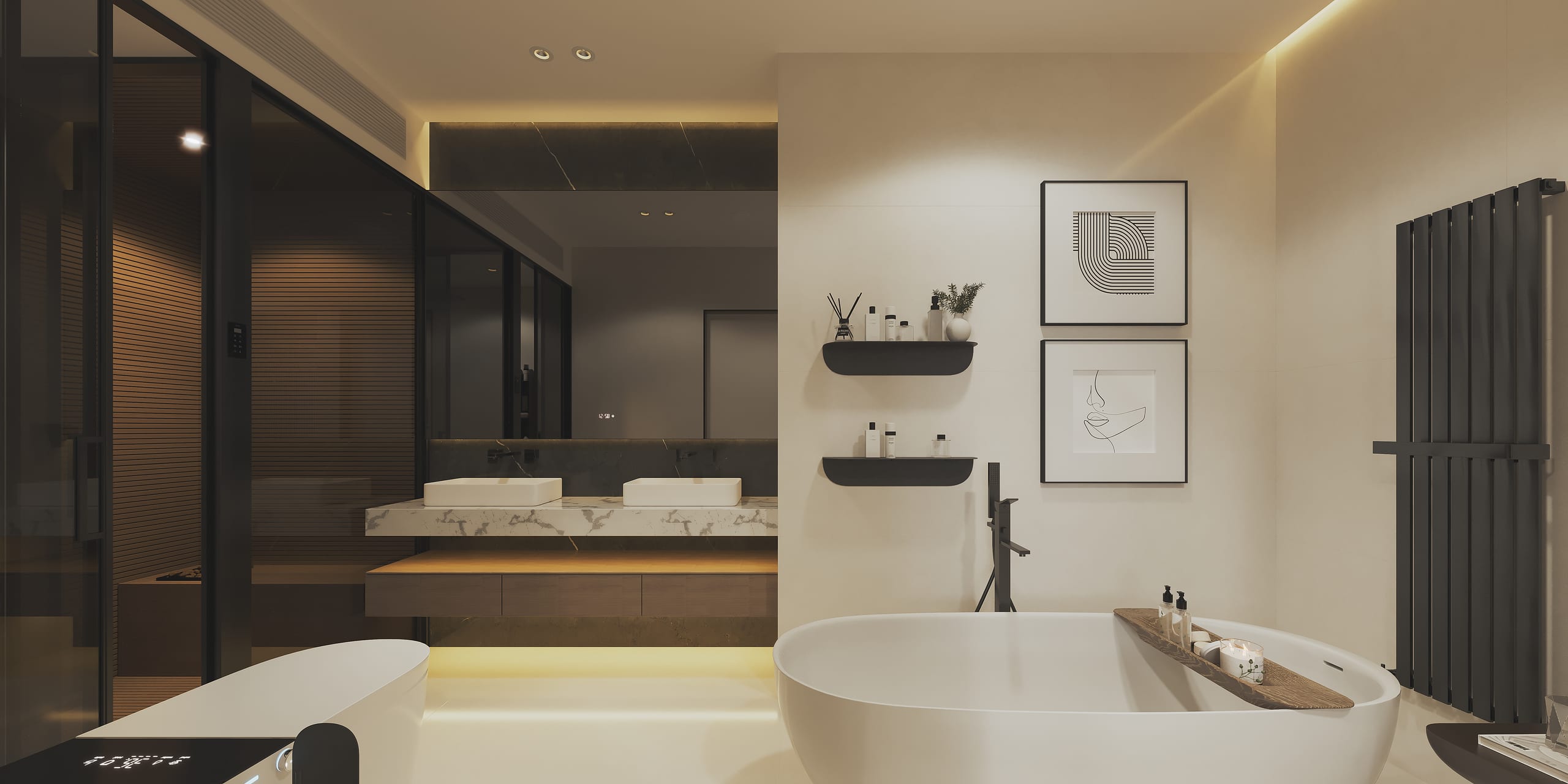
The living space, the dining space, the sleeping space — each clearly its own, yet all speaking the same language.
Fewer things, more warmth
A principle of restraint in material choices — too many textures do not fill a space, they empty it. Timber, stone, fabric — three materials, one voice.
Perspective
"A good space tells a story — with every step inside, a new narrative opens up."
— Joyce Wang · Joyce Wang Studio
Joyce Wang
An interior designer born in Hawaii and raised in Hong Kong and London. After studying Architecture and Materials Science at MIT, she earned a Master's in Interior Design at the Royal College of Art in London and began her career at Foster + Partners.
In 2011 she founded Joyce Wang Studio, becoming known worldwide for cinematic, narrative-driven interiors. For her design of the Mott 32 restaurant she won "World Interior of the Year" at the INSIDE World Festival of Interiors in 2014.
Mott 32
Hong Kong · 2014 · Joyce Wang Studio
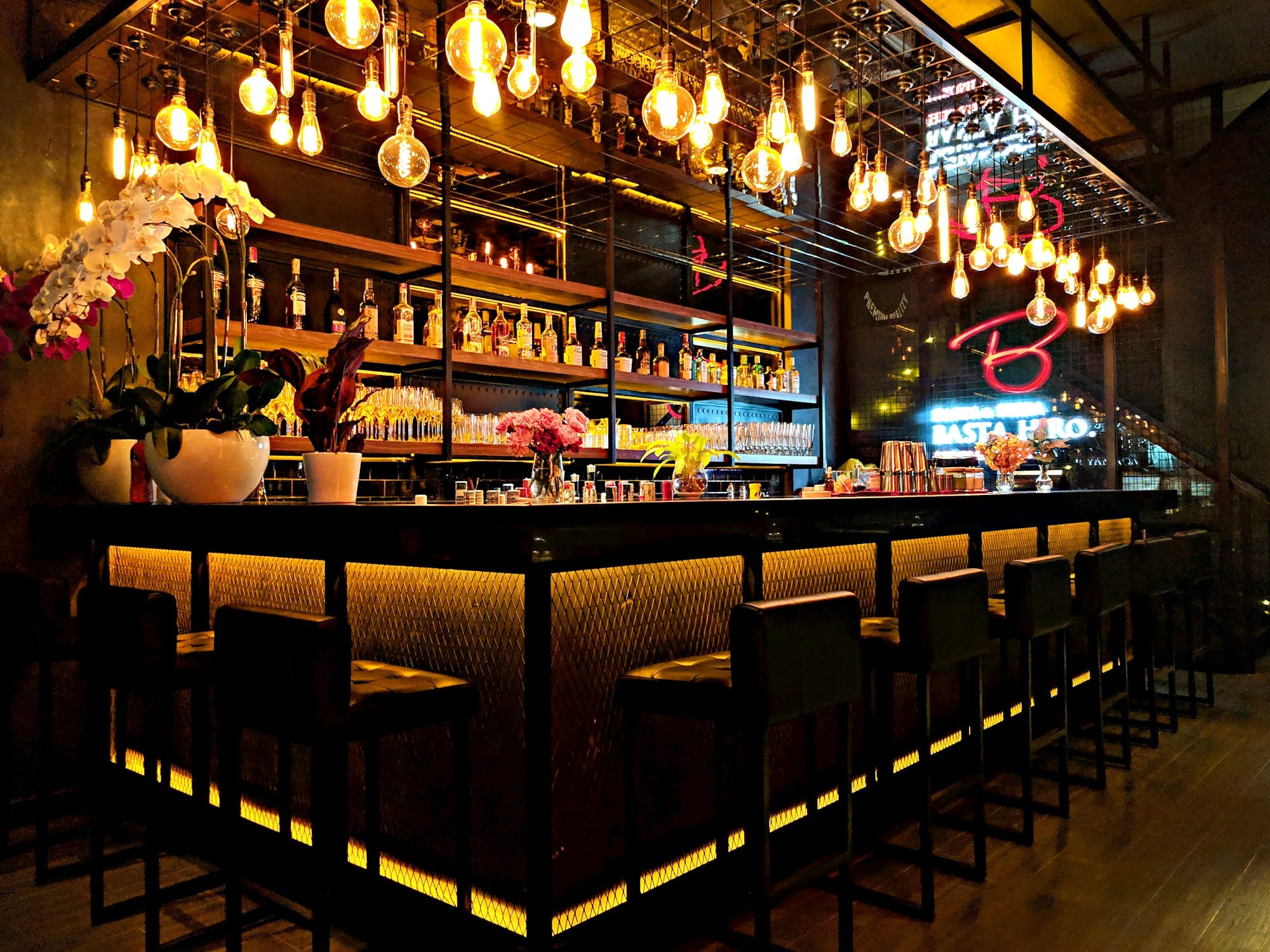
Mott 32 sits in the basement of a bank building in central Hong Kong, a windowless space that once served as storage. Joyce Wang brought natural light into this hidden space through skylights, merging an industrial warehouse with colonial luxury into a single narrative.
The space divides into several zones — a "tangerine room" for private dining, a corner for couples with a silk-embroidered wall, and a bar inspired by a Chinese apothecary. Metal chains recalling Hong Kong's fishing history and globe-like lighting spheres bring the city's memory into the room.
At the INSIDE World Festival of Interiors held in Singapore in 2014, the jury unanimously named Mott 32 "World Interior of the Year." The restaurant has since expanded to Las Vegas, Vancouver, Singapore and beyond.
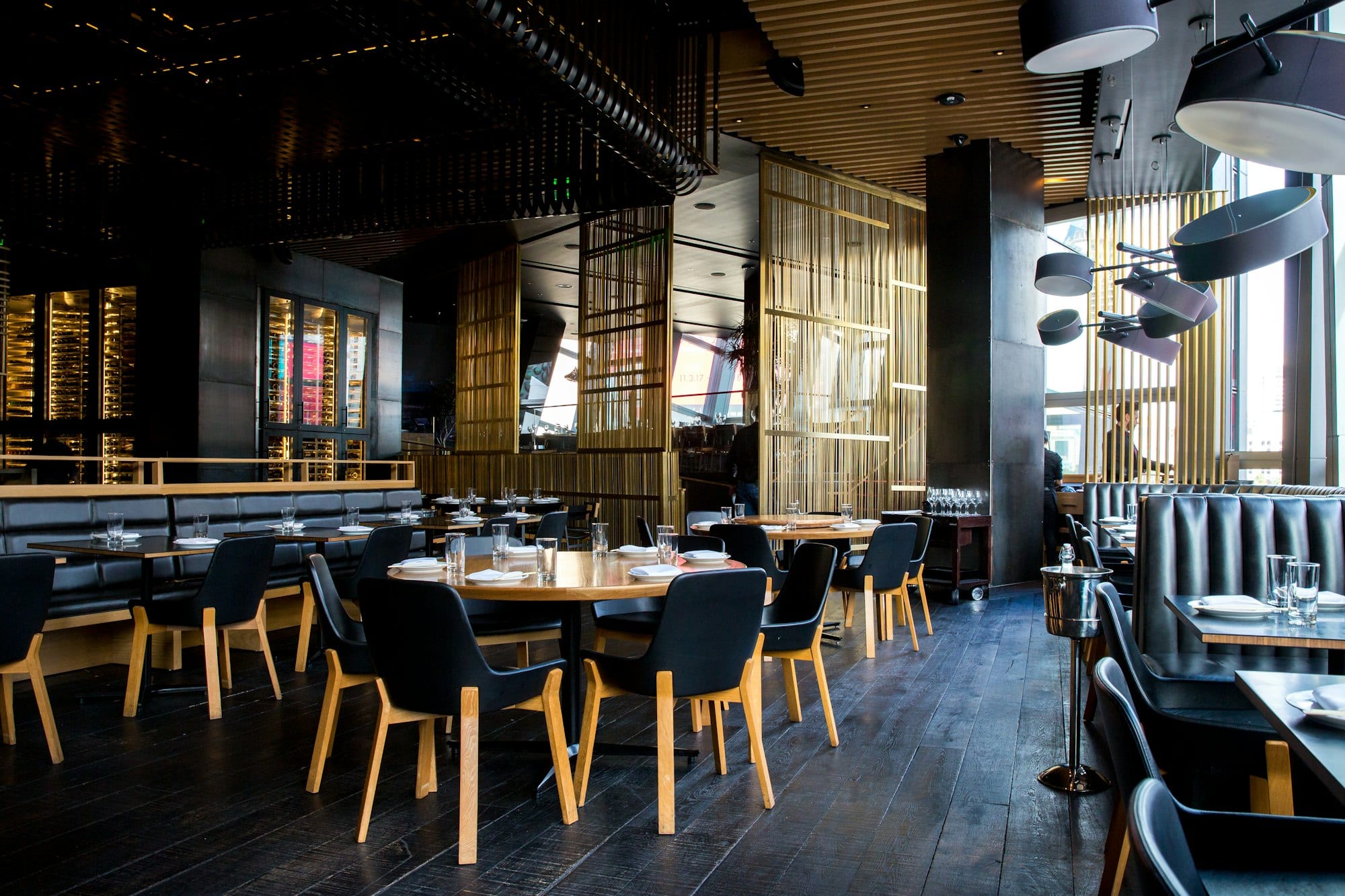

"Mott 32 is a space true to Hong Kong's past — every material tells the story of this city."
— Joyce Wang · Mott 32, 2014


What is the core principle of your design?
"I think of a space like a film. When someone walks through the door, they should step into a narrative — the materials, the light, the fine craftsmanship are the plot of that film."
Why did you place Mott 32 in a bank basement?
"The story of that space was telling itself. Rather than hiding the hard bones of the old storage, we embraced them, brought light in through skylights, and carried that story forward."
How do you approach materials?
"Materials hold memory. Used well, they can connect a place's history, its craft and its time to a contemporary space."
What would you advise young designers?
"Know what to take away before you add more. Restraint is not a weakness — the strongest narratives often come from the fewest elements."
In Joyce Wang's spaces, the narrative reaches you before the form does. She binds material, light and craft together like the plot of a single film.
That view of space as a vehicle for storytelling aligns with ARTIFY's editorial outlook — a space is not decoration, it should be an idea given form.
Essay
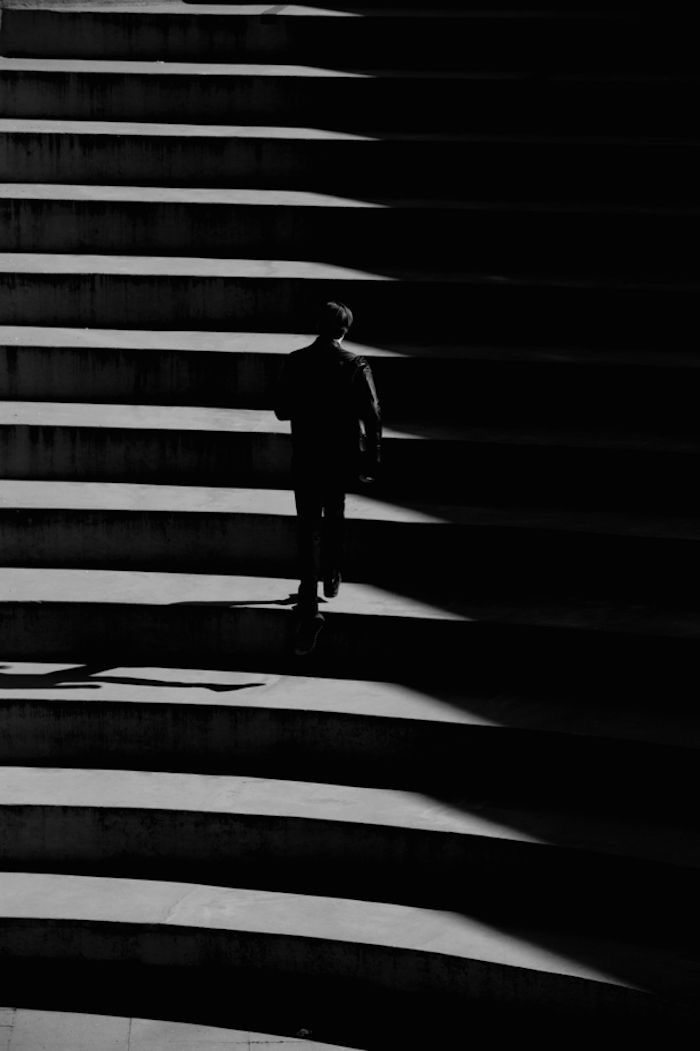
To those just entering the path of design
Nothing comes from rushing. It comes from enduring.
— From my own perspective
To those just entering the path of design
From my own perspective
Interior design, seen from the outside, seems to be measured by pretty drawings, quality renders, and attractive posts. But in the actual work, this profession is quieter, more responsible, and more real.
Most young designers quickly run into the thought of coming up with a name, starting a company, and going independent. This is not wrong — but the most important question is: on what foundation is that independence built?
Interior design is not a field where you try something and see whether it works. Behind a single decision lies a client's years of savings, sometimes their family, their business, the next chapter of their life. That is why the words "I'm still learning" must be used carefully in this profession.
The right environment for learning is not the client — it is a professional company, a team. There you start by observing, listening, following. When you make a mistake, it gets corrected. When you make a decision, you get an explanation.
A mistake inside a company is part of the learning process. A mistake with a client is running an experiment on someone else's trust, money and time.
There is one important phase in this profession. Not the phase when you start being able to draw. Not the phase when you finish your first project. But the phase when you enter a team, feel the weight of responsibility, understand the rhythm of work and the psychology of people, and quietly begin to learn how to make decisions under pressure.
After working for years in a professional company, beyond skill, communication, patience and accountability gradually settle in. In Mongolian we say "the marrow settles" — that is that phase. Not something you learn by instruction, but a foundation that forms from the inside through watching, listening, following and enduring.
Working in a company does not mean working under someone. It is the time you build your own internal foundation — getting paid while learning in a real university. There is no need to rush.
Interior design is not about who started fastest. It is about who worked at it most patiently.
This is not a set of rules — just a small piece of advice from someone who has walked this path.
Artify
Named after Kandinsky, but not Kandinsky's
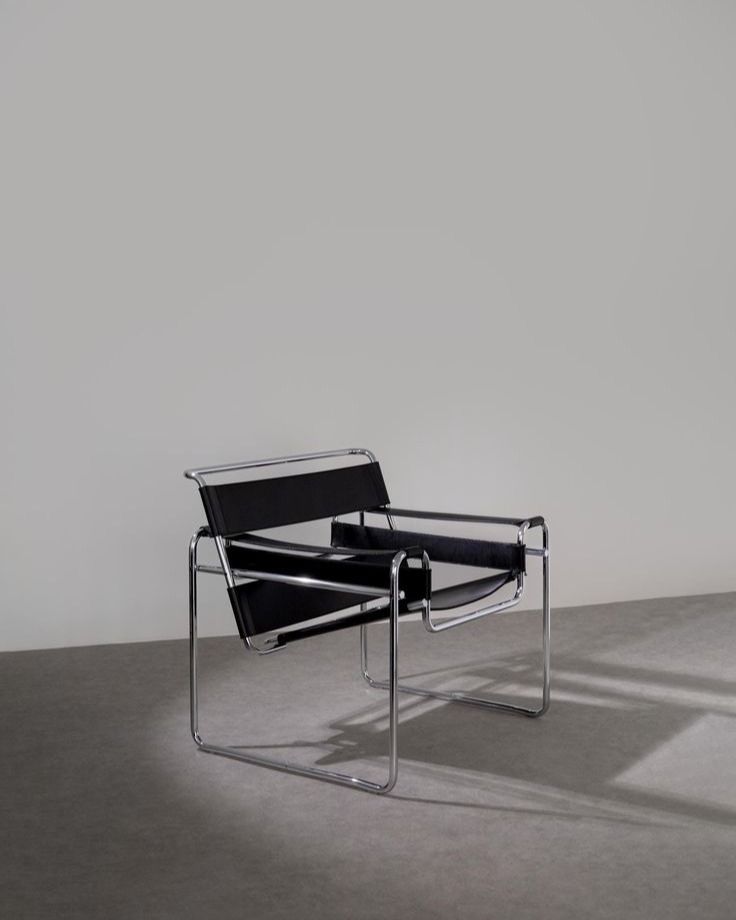
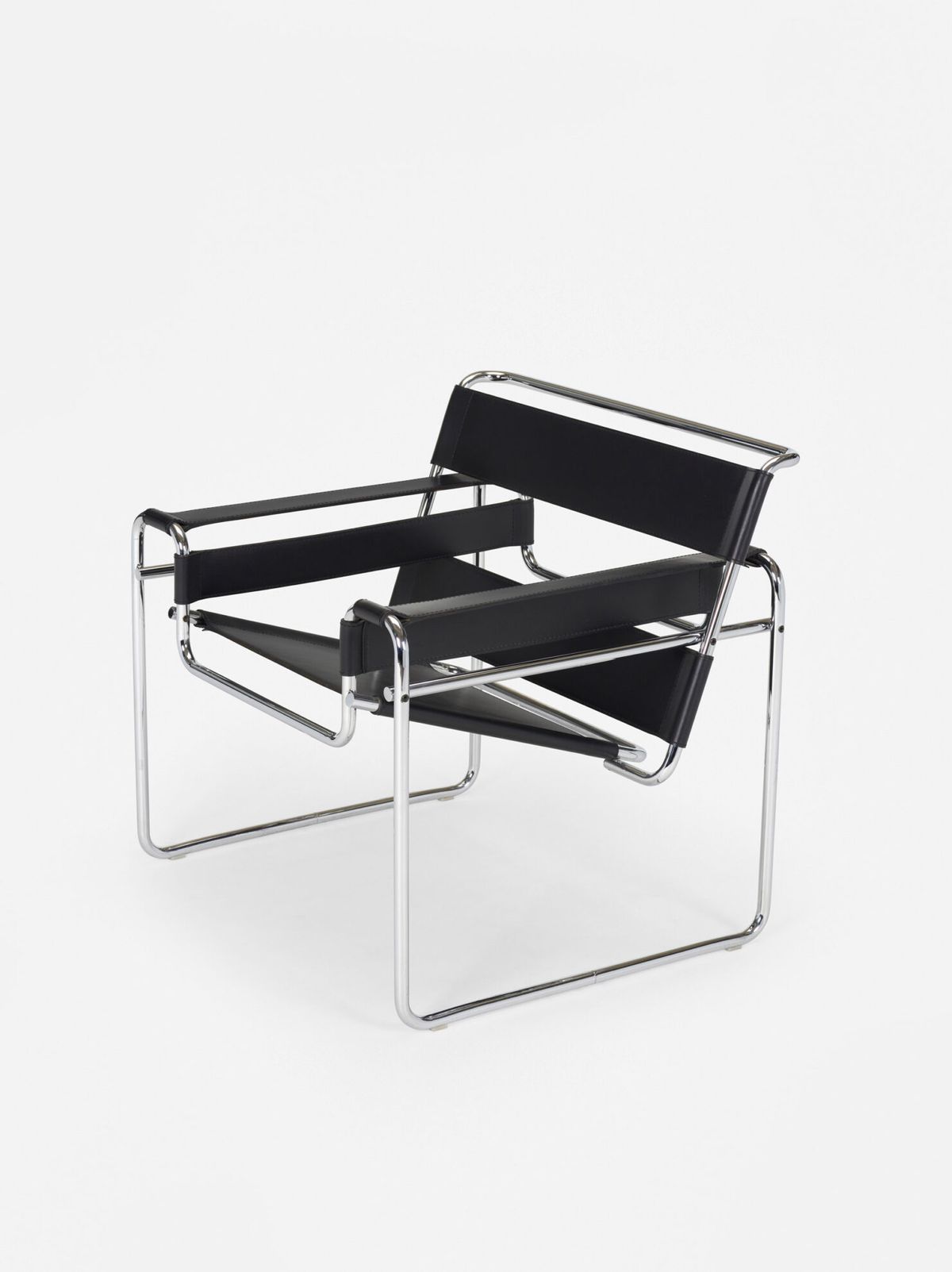
One of the most famous chairs in the world. Its name is Wassily Kandinsky — yet Kandinsky did not design it. This is the most famous misattribution in the history of design.
The real designer is Marcel Breuer. He was barely past twenty when he created it.
What is the Wassily Chair
Marcel Breuer was a Hungarian-born designer and a graduate of the Bauhaus in Germany. In 1925, at just twenty-three, he created the first chair made from bent tubular steel. Museums such as MoMA and the V&A regard it as the first of its kind ever made.
The idea came from a bicycle. Looking at the bent tubular steel of his Adler bicycle's handlebars, Breuer realised the same technique could be used to make a chair. Strong, light, easy to mass-produce — bringing those three qualities into furniture was a revolution.
Its original name was "Model B3" — plain and technical. The name "Wassily" only came about more than thirty years later.
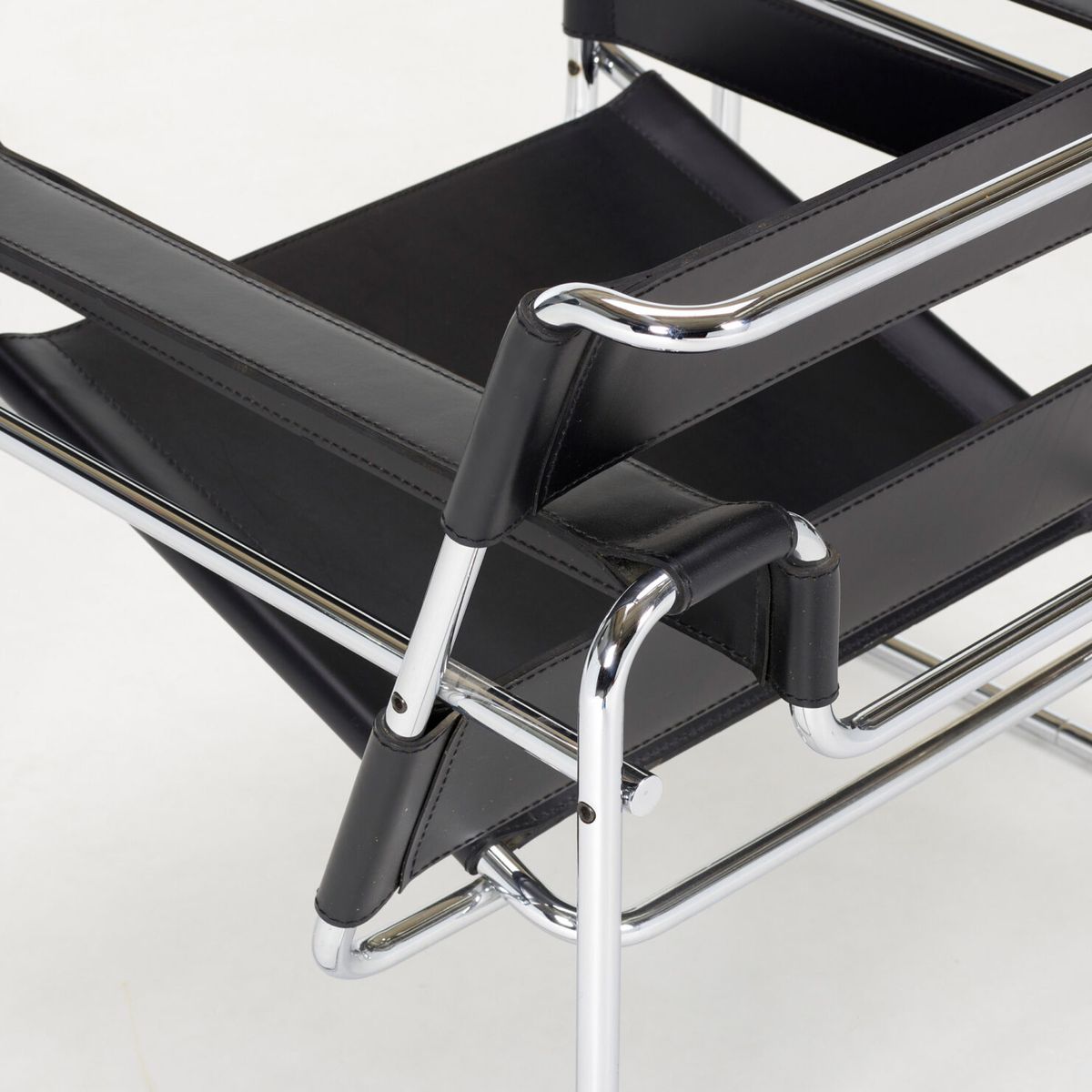
Seven things about the Wassily Chair
Most people know surprisingly few things about the world's most famous chair.
The name is a misunderstanding. Wassily Kandinsky did not design this chair. He was simply a friend and fellow teacher of Breuer's at the Bauhaus who admired the chair, and Breuer is said to have made him a personal copy. That copy, placed in Kandinsky's room, is what later gave rise to the name "Wassily."
Its real name is "Model B3." In the 1960s, when the Italian manufacturer Gavina relaunched the chair, they discovered the Kandinsky connection and named it "Wassily." That marketing name is the one that has survived to this day.
Breuer was twenty-three. He made this work while a young master in the carpentry workshop, having only recently graduated from the Bauhaus.
A bicycle gave him the idea. The bent tubular steel of an Adler bicycle was strong yet light. Bringing that principle into a chair introduced an industrial technique into furniture.
Breuer wanted the sitter to feel as if floating in air. Replacing solid arms and seat with straps gives the impression of the body suspended with no visible support.
Fabric first, then leather. The first version used a waxed cotton called "eisengarn." Later versions used leather straps.
A democratic idea became a luxury symbol. Breuer intended this chair to be cheap, mass-produced and accessible to everyone. Yet today it is an expensive design classic, a symbol of status. That is another twist of fate.
What a single chair says
The Wassily Chair is not just a chair. It is an idea — proof that with simple materials you can make something that reaches many people.
A hundred years on, the chair has not aged. Because good design lives by its idea more than its form.
It is the same for SaySanaa. A space is not decoration — it should be an idea given form.
Holding your standard is not a one-time decision — it is a daily attitude.
ARTIFY